Sophie Mahoney

Sophie Mahoney

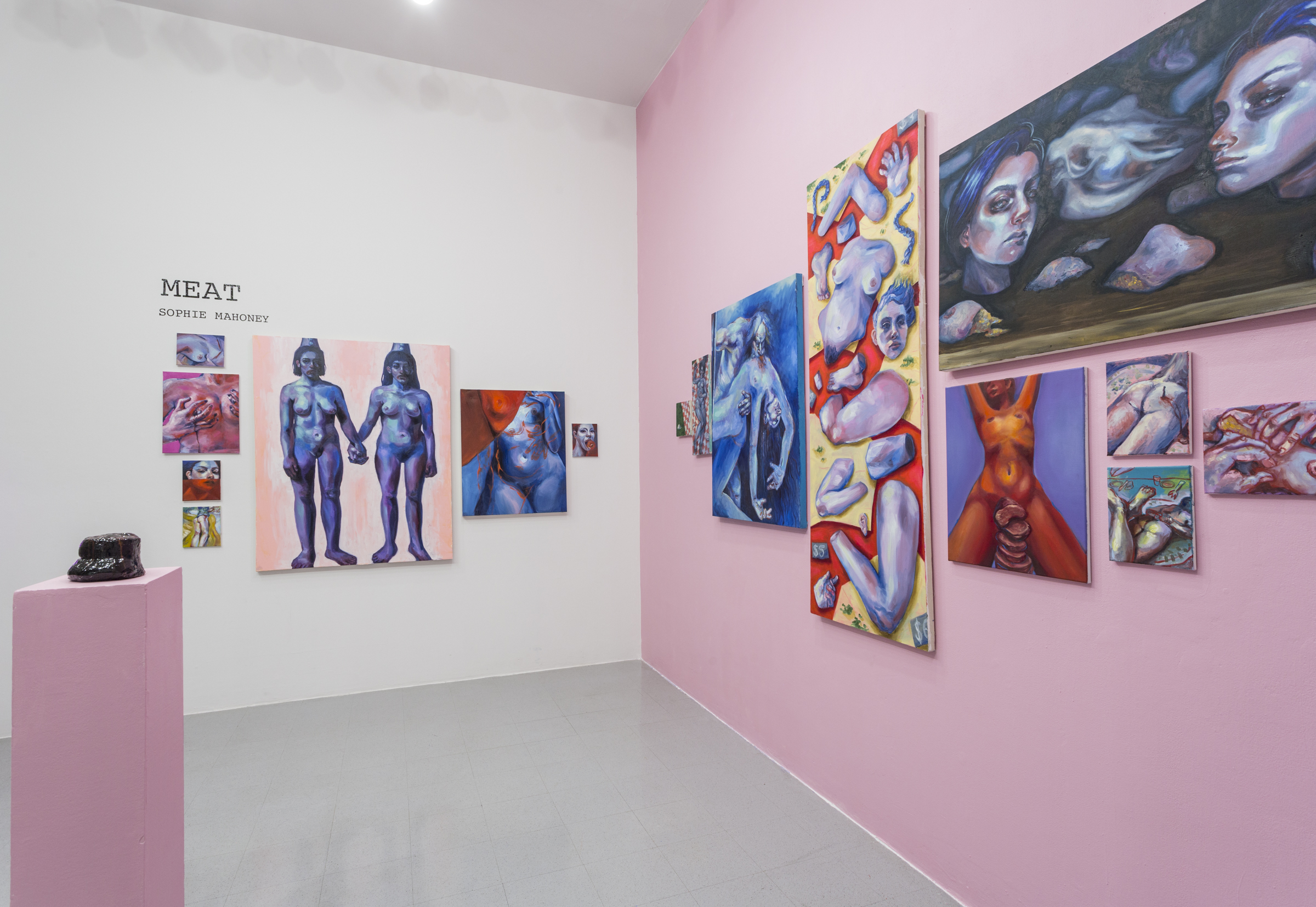
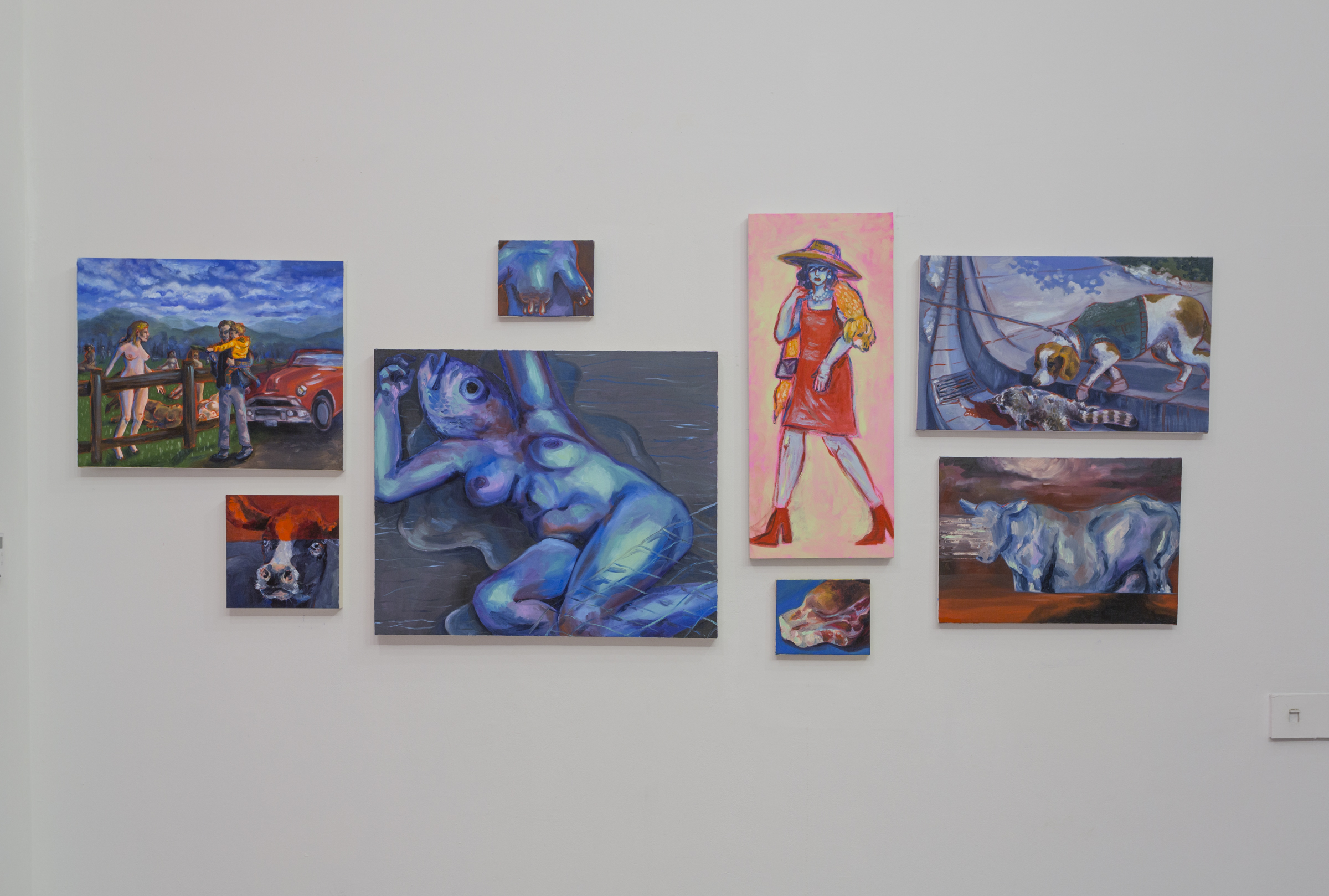
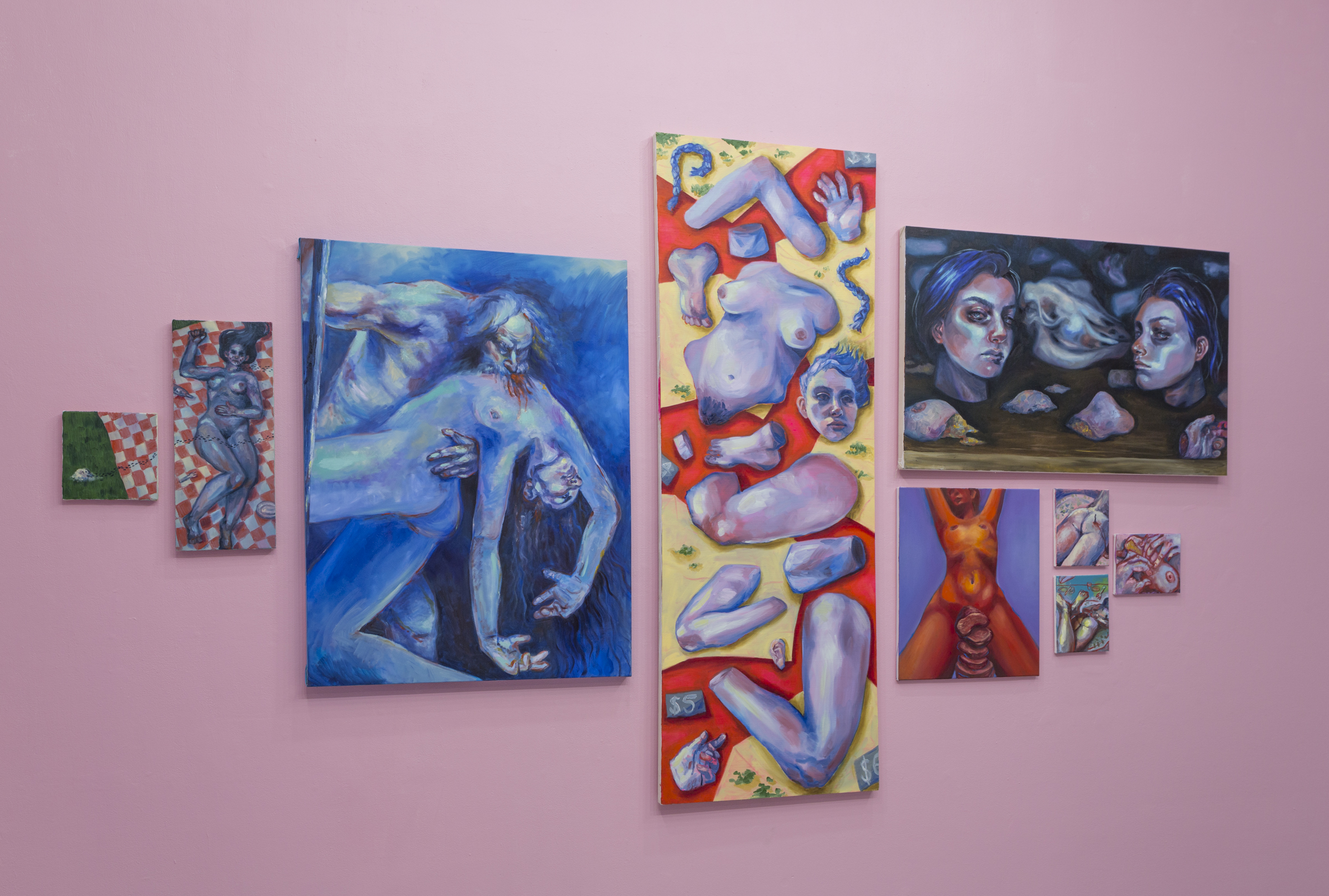
MEAT

Displaying the connection between the social hierarchy of animals in relation to pets versus food, and the way the hetero male gaze deconstructs the female body into parts, similar to animal meat.

Why do we continue to allow women and animals to be objectified? Neither are just a piece of meat.

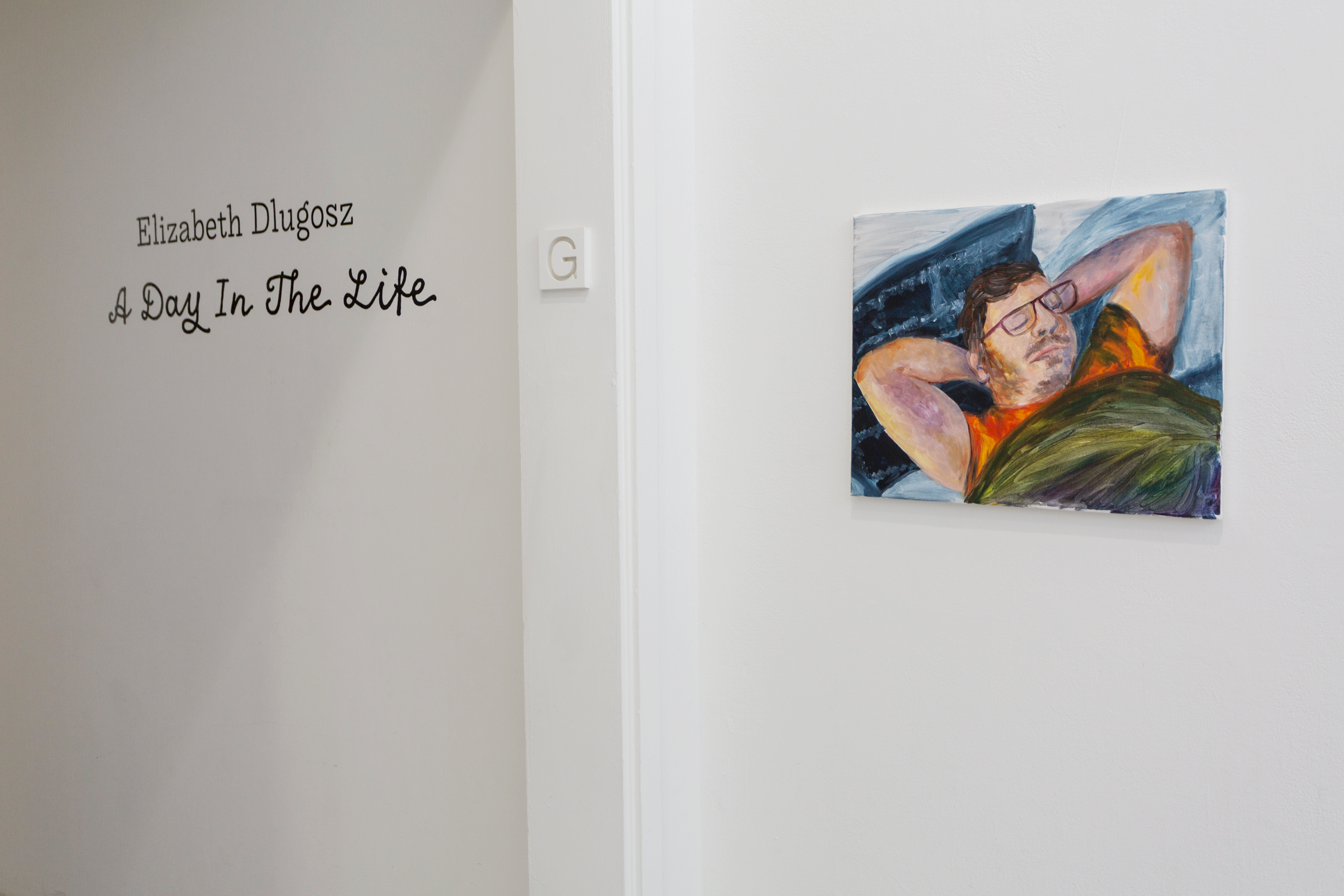
Elizabeth Dlugosz

Elizabeth Dlugosz

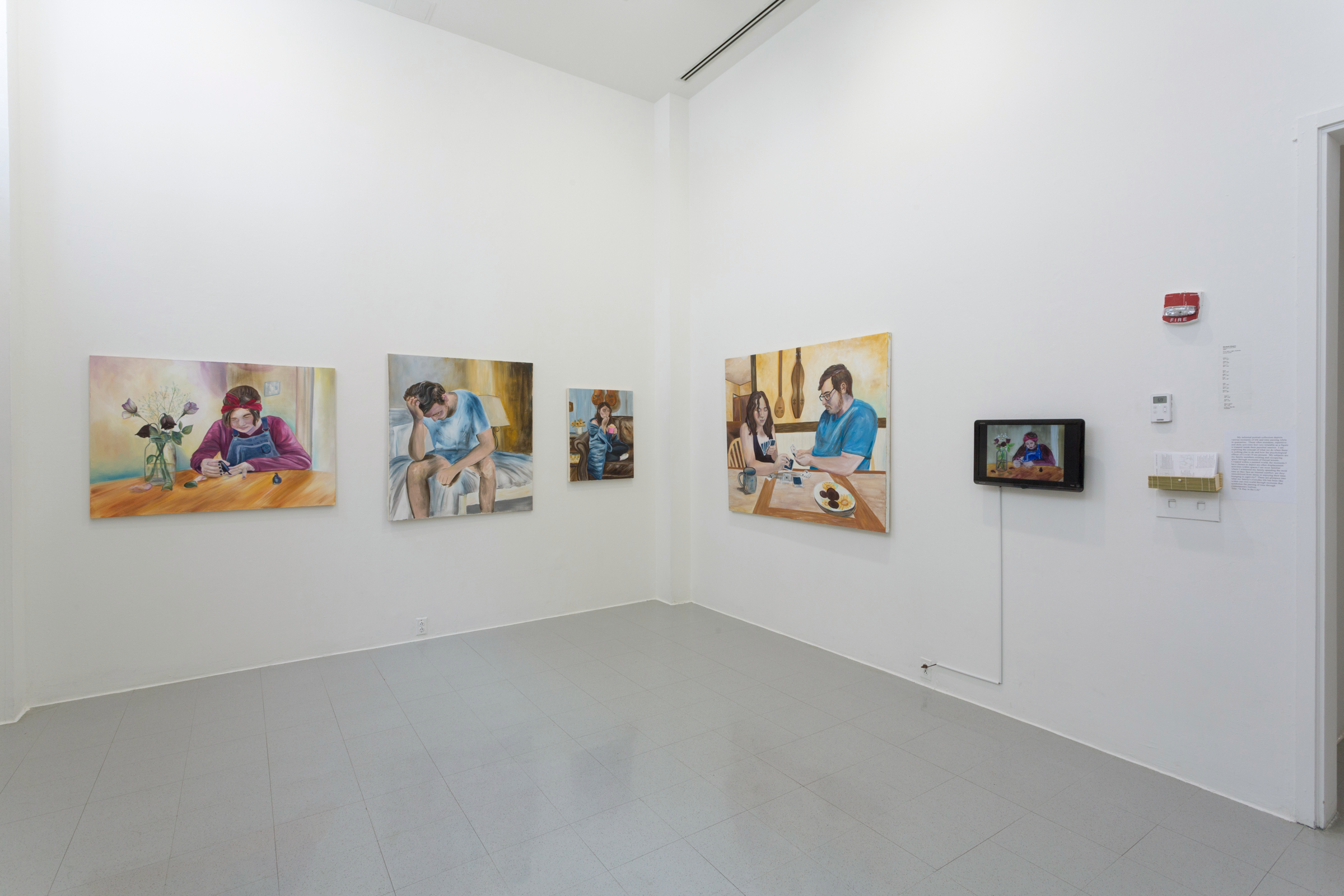
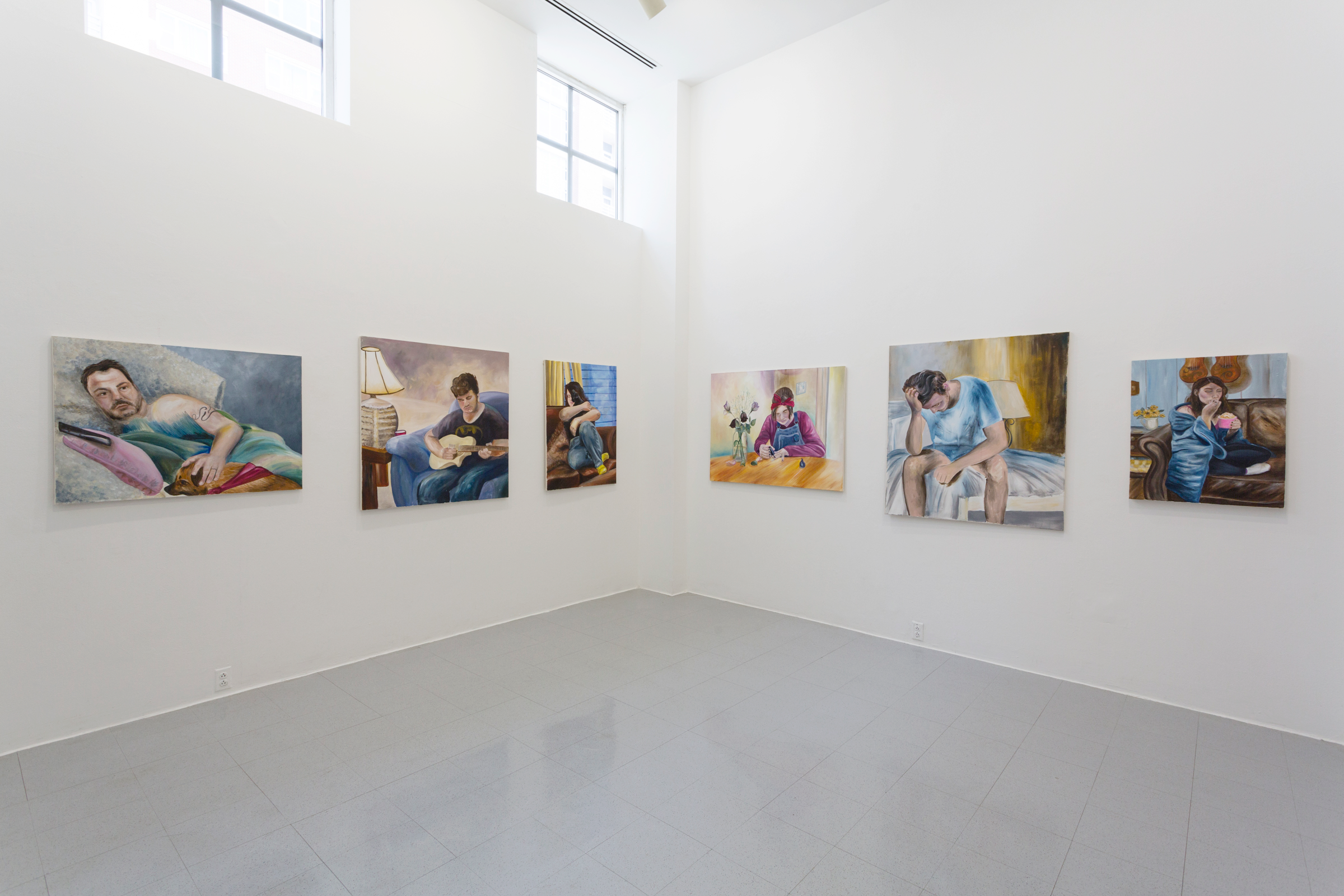
"A Day in the Life"

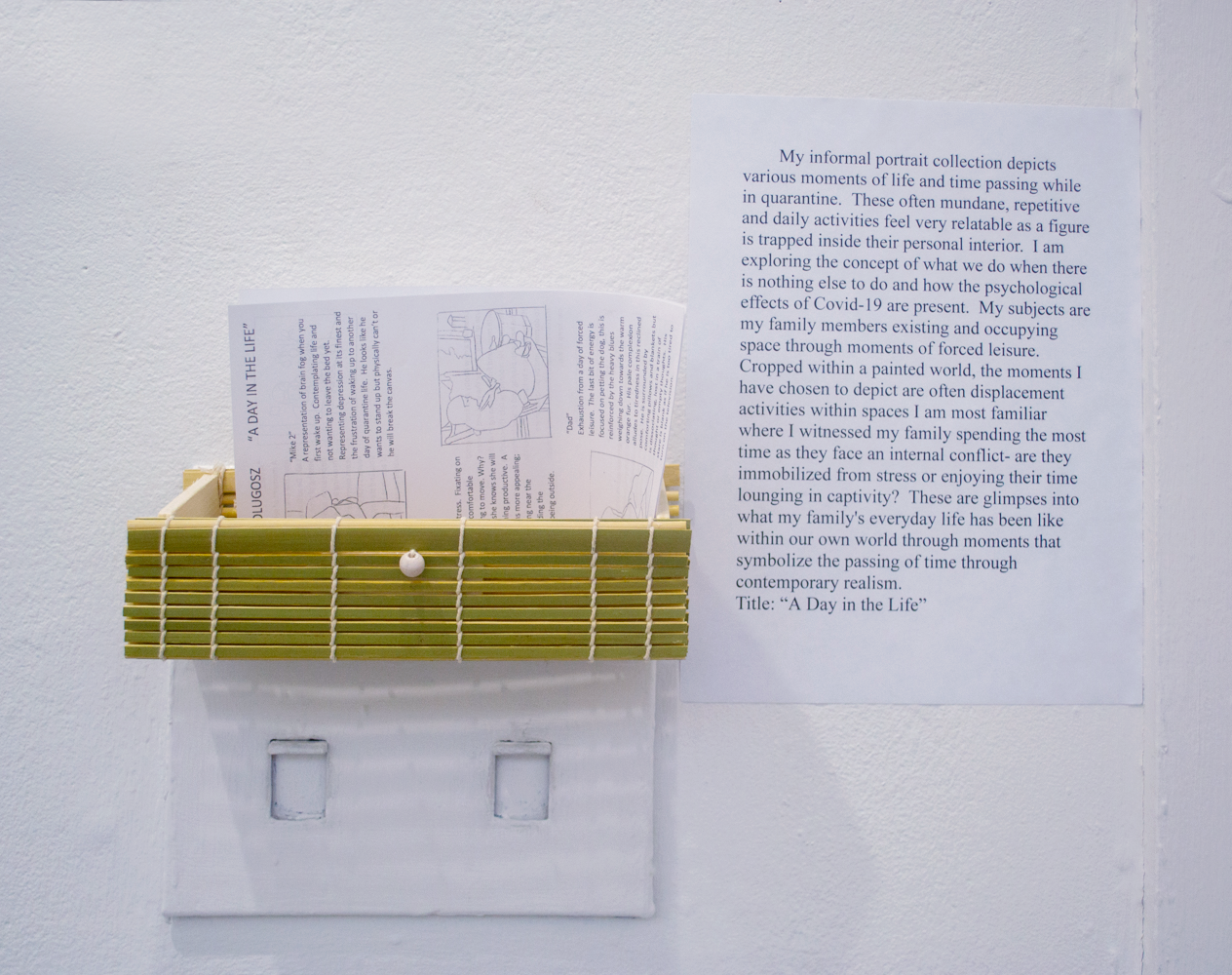
My informal portrait collection depicts various moments of life and time passing while in quarantine.  These often mundane, repetitive and daily activities feel very relatable as a figure is trapped inside their personal interior.  I am exploring the concept of what we do when there is nothing else to do and how the psychological effects of Covid-19 are present.  My subjects are my family members existing and occupying space through moments of forced leisure.  Cropped within a painted world, the moments I have chosen to depict are often displacement activities within spaces I am most familiar where I witnessed my family spending the most time as they face an internal conflict- are they immobilized from stress or enjoying their time lounging in captivity?  These are glimpses into what my family’s everyday life has been like within our own world through moments that symbolize the passing of time through contemporary realism.

Serafina Kennedy

Serafina Kennedy

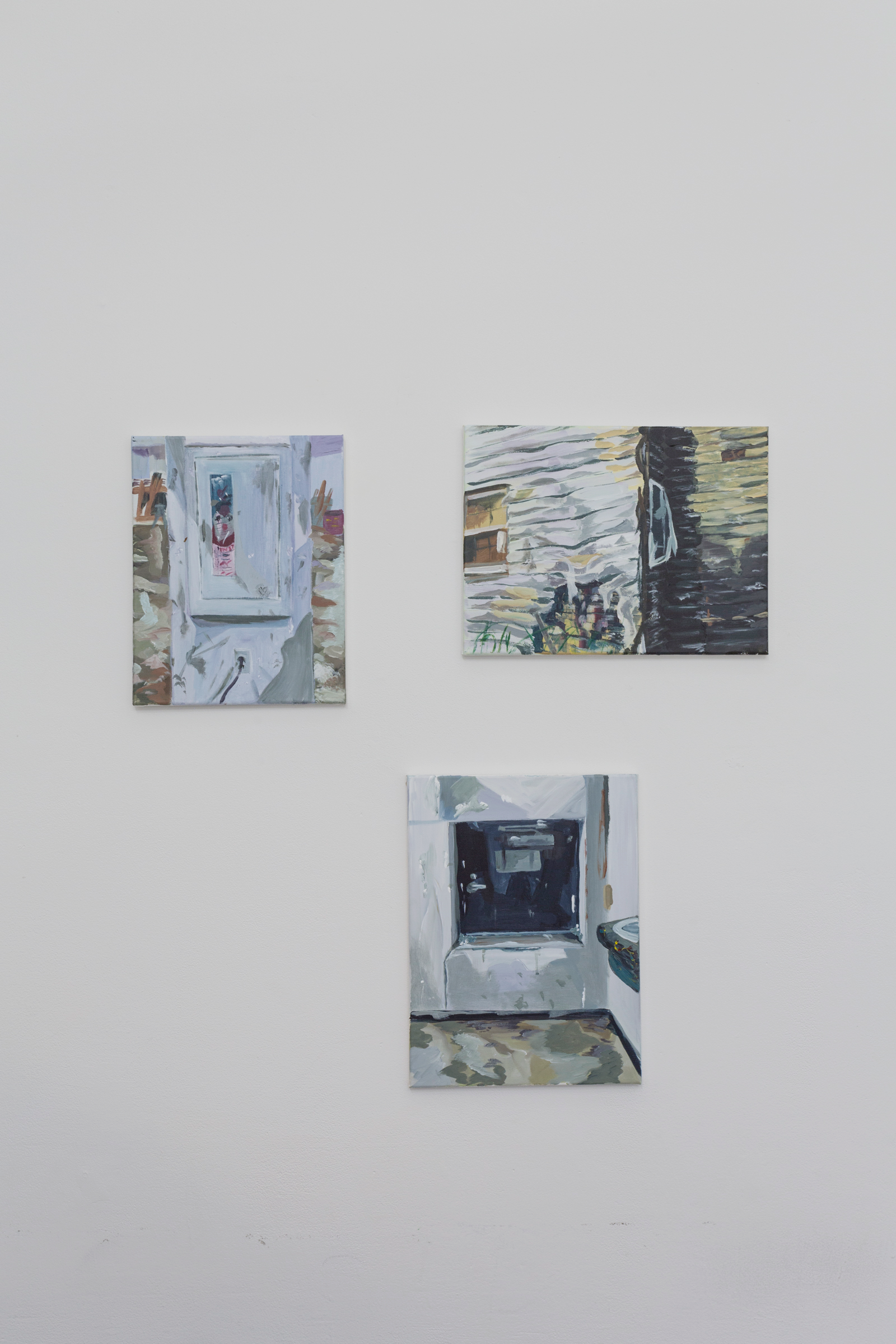
Yard Works

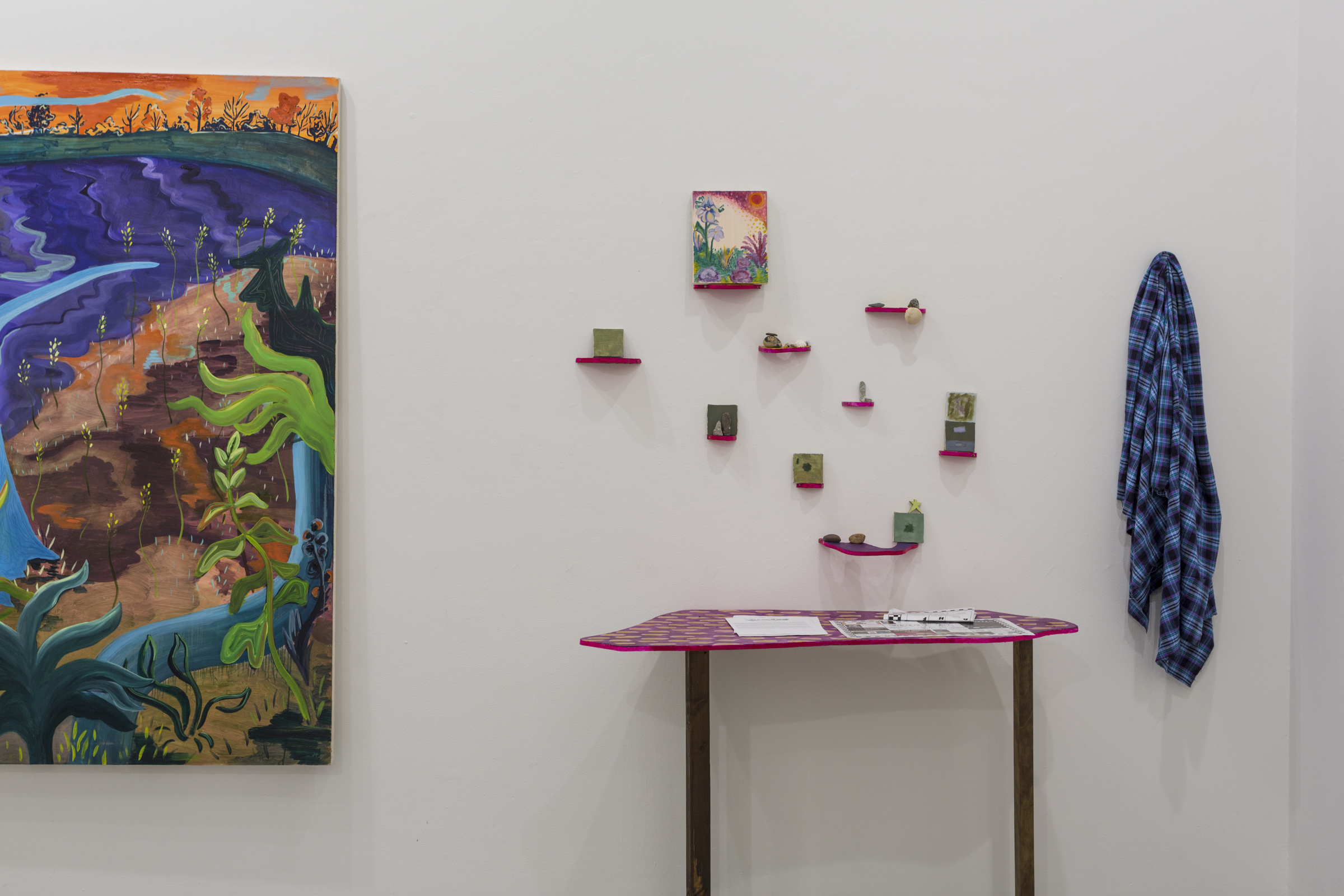
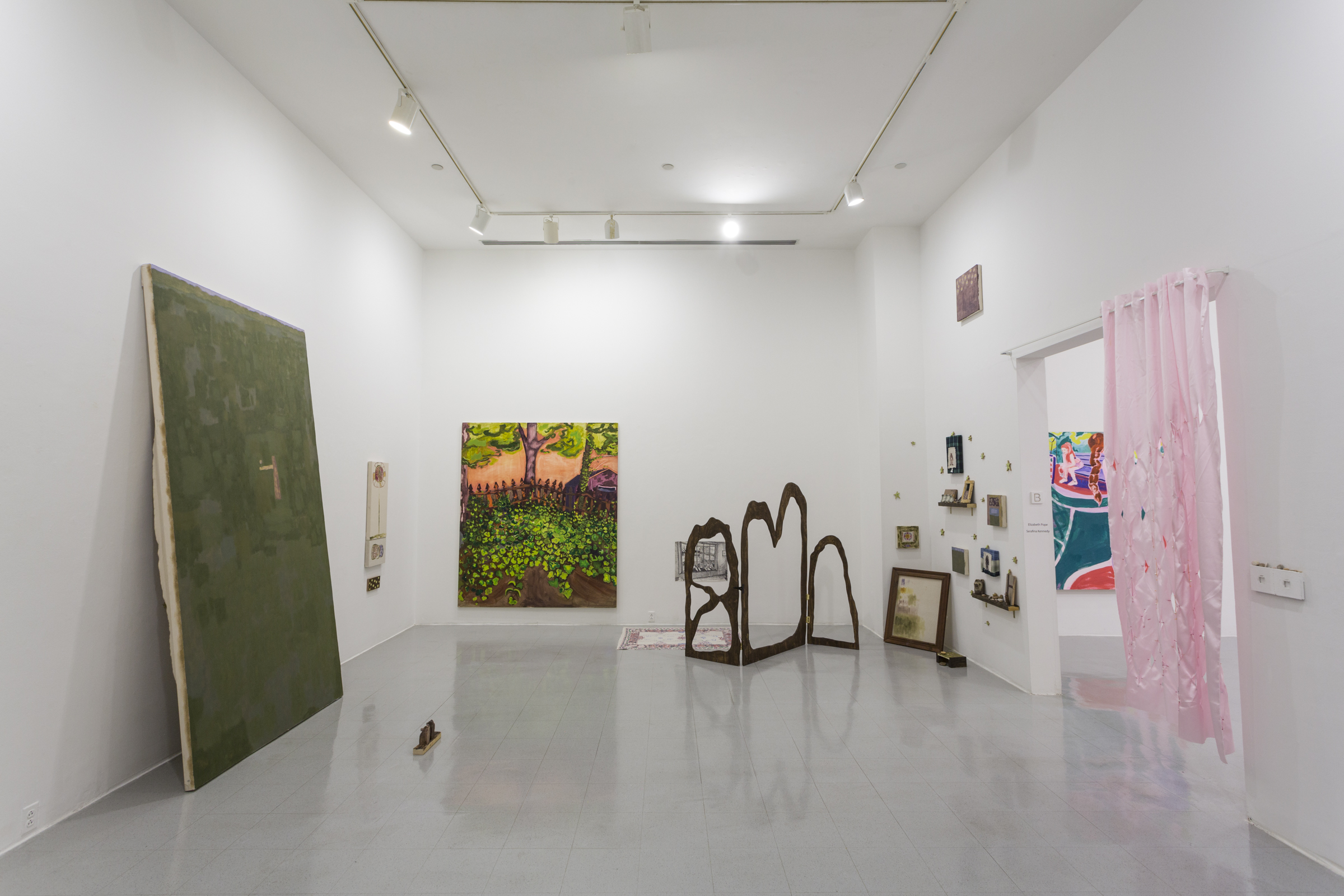
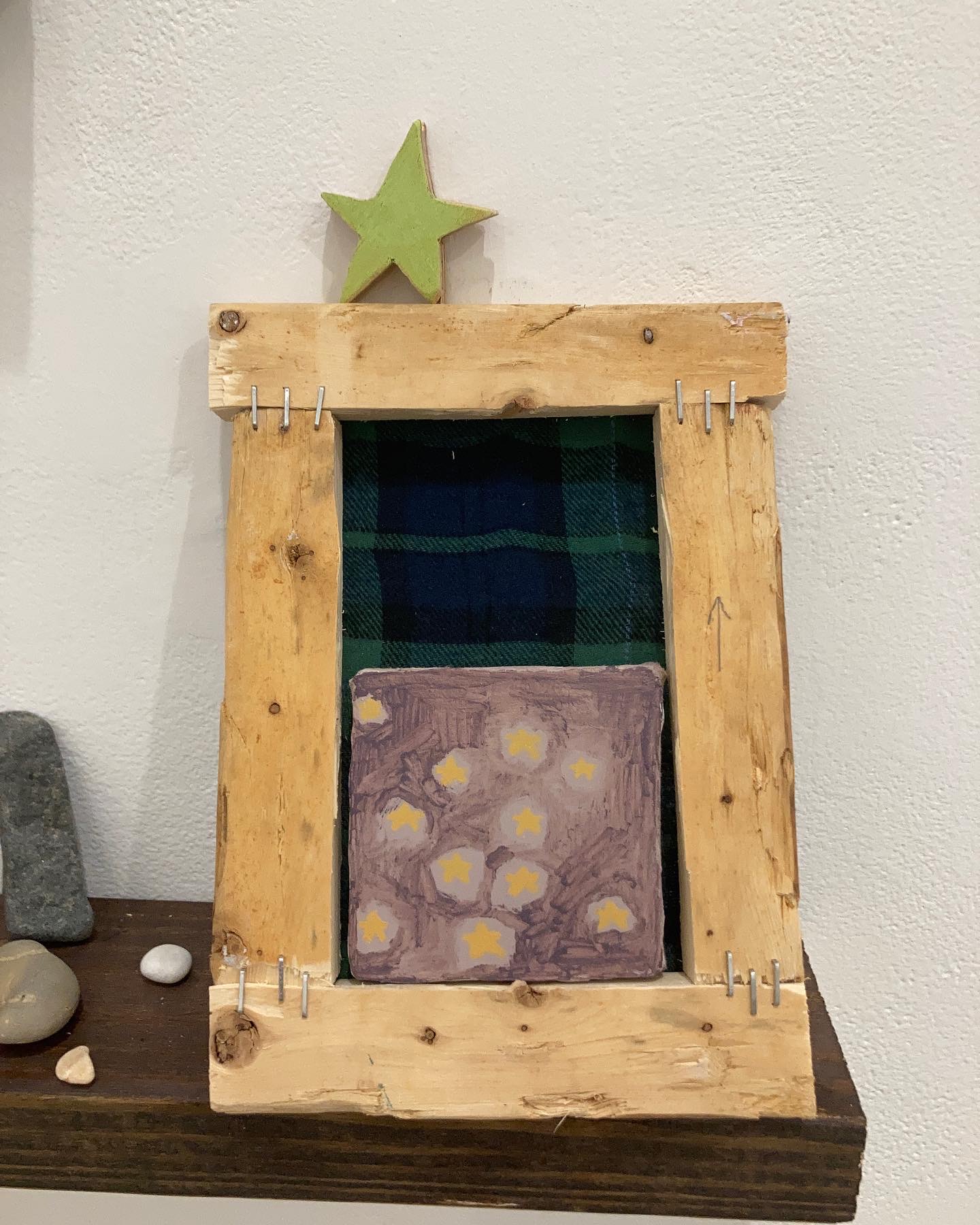
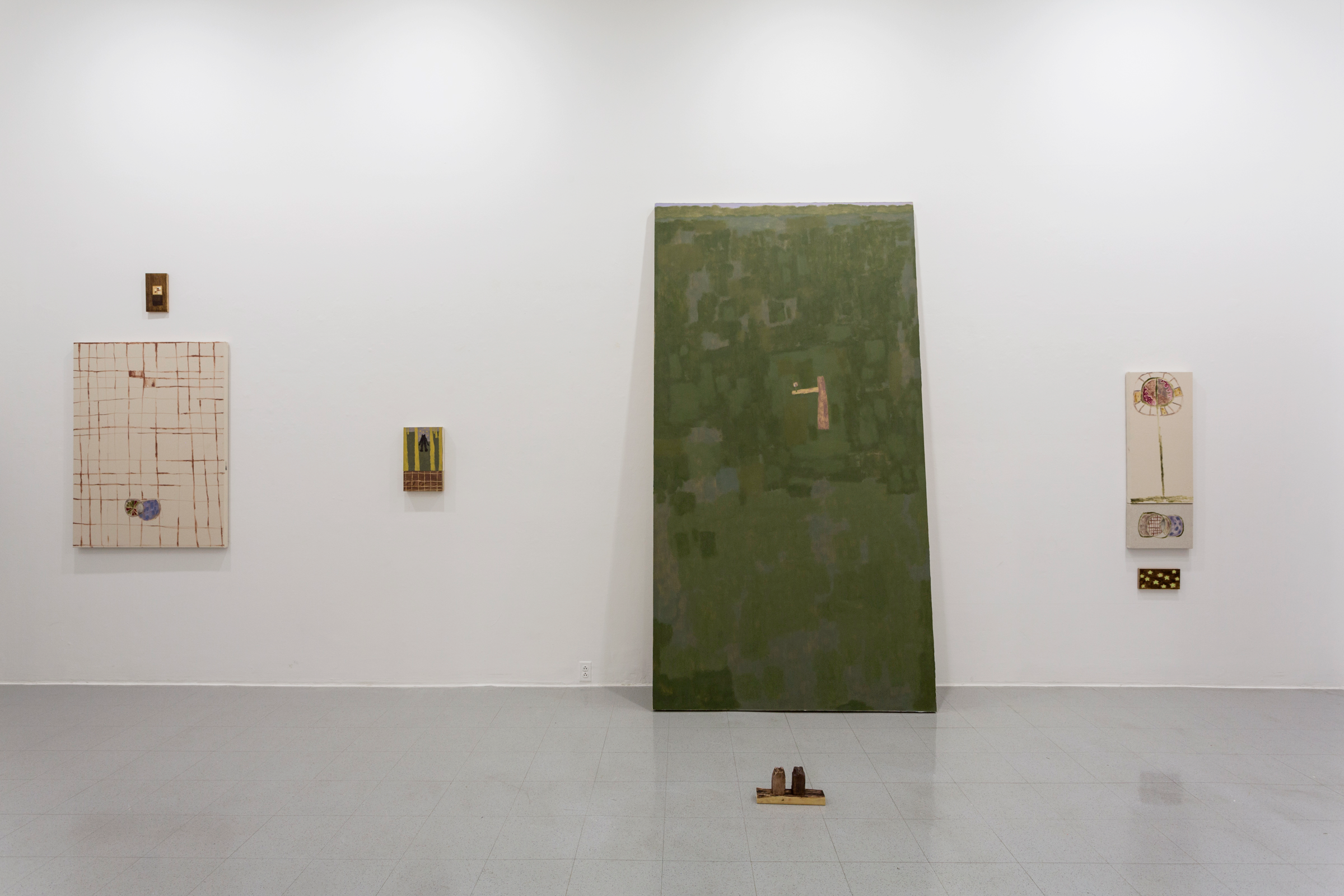
The pieces I present culminated from an approach of construction and reconstruction that developed as I worked on this series. Along with the additive processes of making these pieces, I also spent time eliminating, reworking, and reconfiguring how they would look in their final stages. When reflecting on this approach, I realized that while the pieces may not have turned out as I originally planned, it actually imitated the concepts that I was interested in when I first started creating these works. 

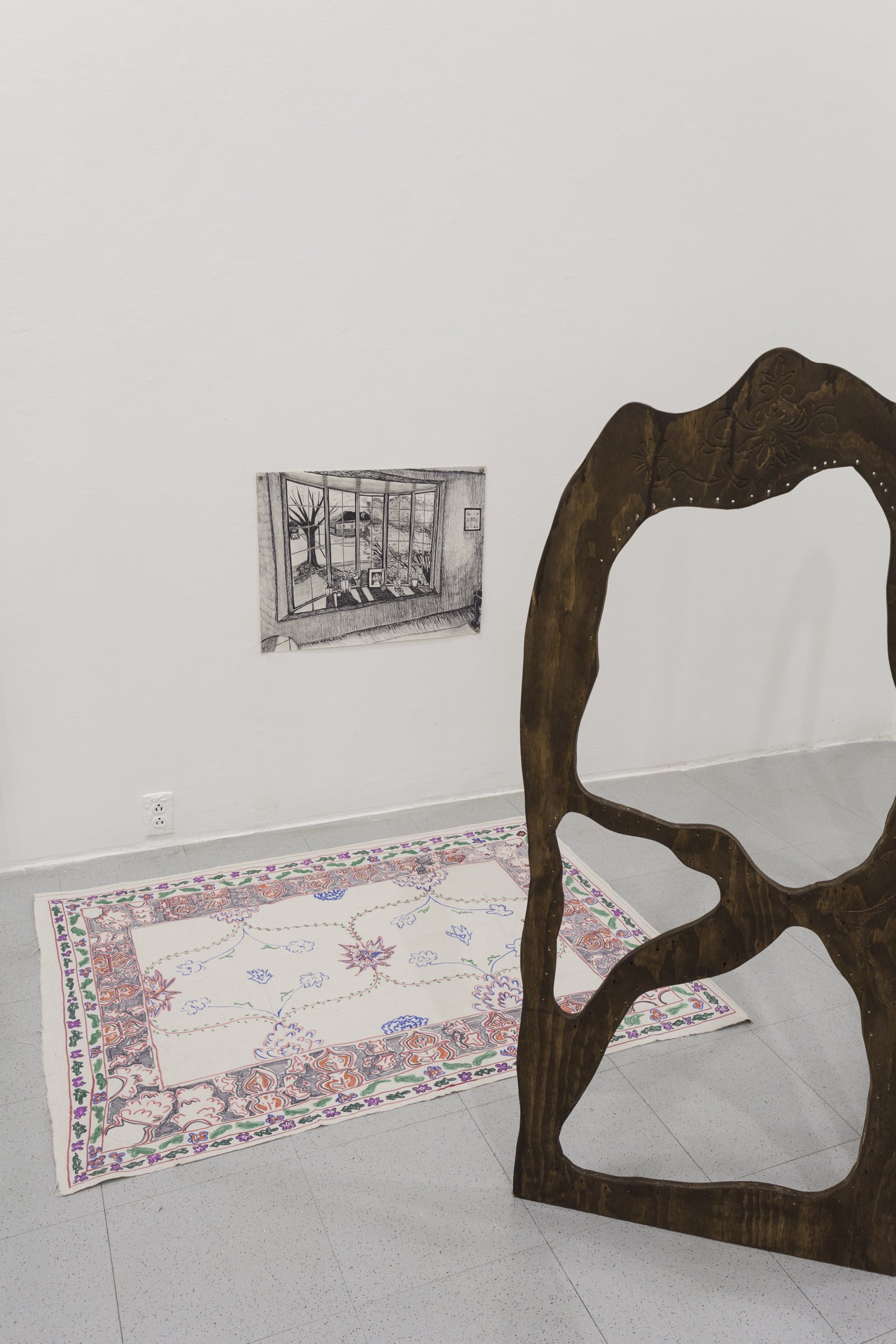
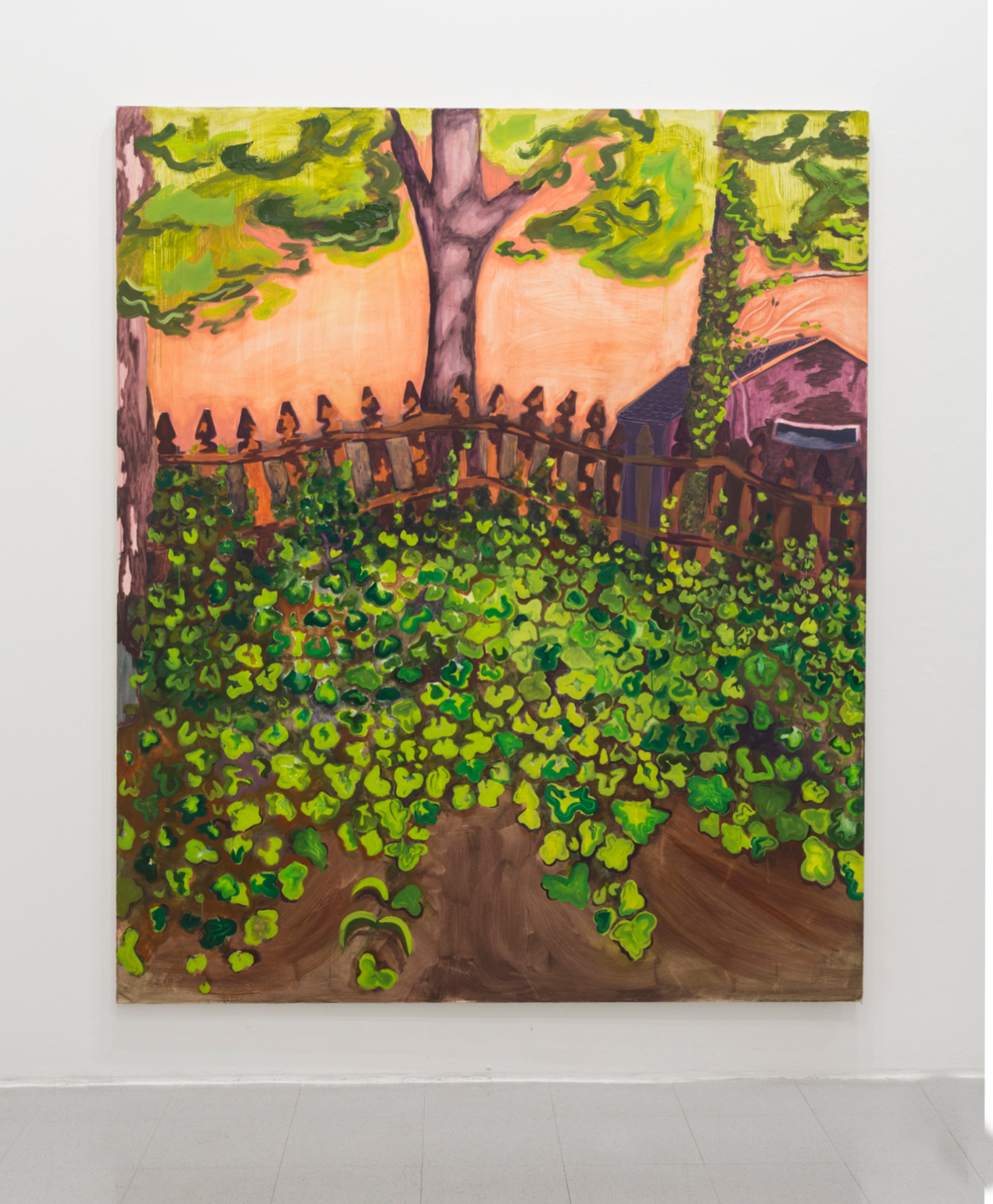
It is important to note that all of my preliminary sketches came from memories and were loosely based on the subjects I wanted to portray. These abstracted landscapes and objects stem from memories I have of places and things. Little Friend Lost in the Ivy, portrays the overgrown ivy that engulfs the fence lining my parent’s backyard. Untitled, (room divider) was inspired by the chestnut stained furniture that has always been in my grandparent’s bedroom. 

The process of removing the paint from my canvases and revising the elements I included with my sculptures emulated the fluidity of my memory of the subjects. With the subtractive and additive nature of revising my work, I was forgetting and remembering different details of these subjects. In Bug bites, the viewer can see the outline of my crossbars in the orange plane of the painting. This is where I sanded off the original composition I had planned for to create a new element that I had remembered. 

The process that evolved in creating this work, adding and subtracting materials based on my refreshed recollection of the subject, is important for the viewer to keep in mind while considering these pieces.
Elizabeth Pope

Elizabeth Pope

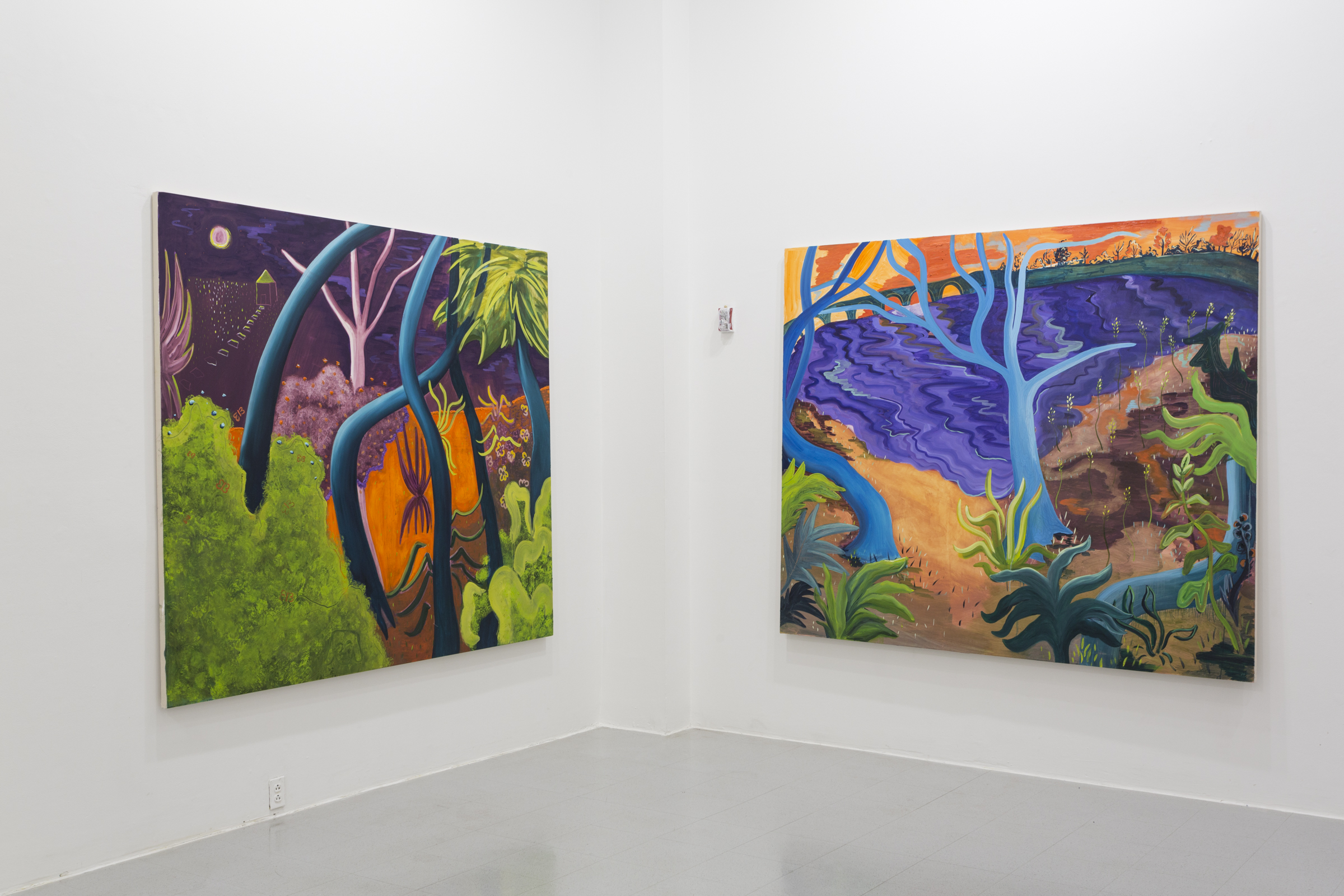
Leaf Green Breathing

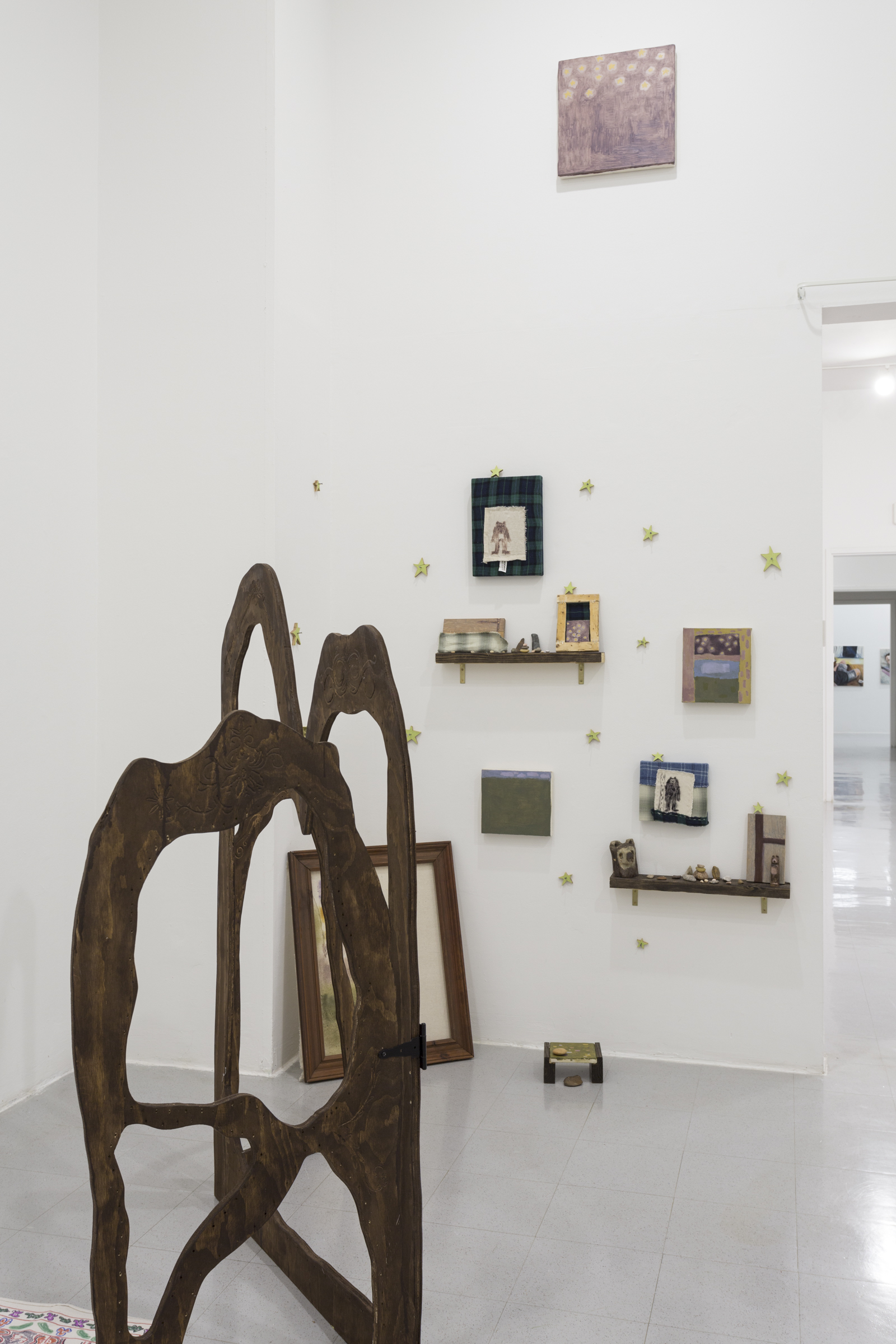
Straddling the line between abstraction and representation I’m focusing on nature, a subject matter with a long history in queer art. While trees and bears are the face of my paintings, my thesis is an exploration of a queer DNA in art I’ve been slowly happening upon. This DNA is not something that can easily be translated to any written or spoken language. Humor, awkwardness, resistance, deconstruction, and abstraction are descriptions that only scratch the surface of what queer art is. There’s an unspoken language in queer art that I find myself naturally putting to use in my own work. Without even actively thinking about queerness my first ever real influence on my paintings was Katherine Bradford, a queer figurative artist who expanded my approach to painting figures and to my touch in general. Since then my catalogue of queer artists has evolved along with my understanding of queer art and my place in queer art. 

Leaf Green Breathing is a reference to my favorite queer poet, Mary Oliver, someone who has come as close as possible to putting queer art to the English language. Her words have been a rope I can hold on to to help guide me through my exploration.

Alexandra Kosloski

Alexandra Kosloski

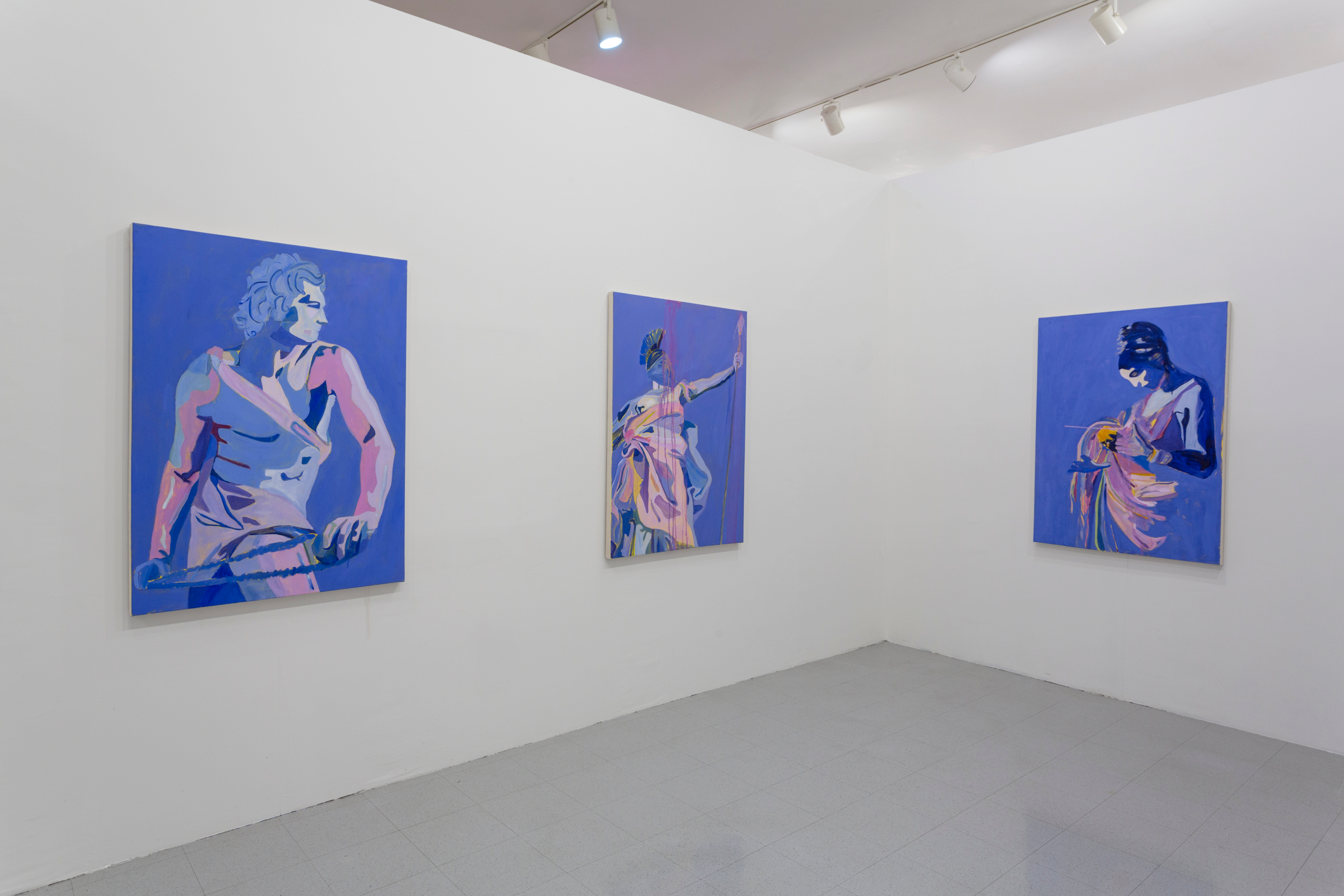
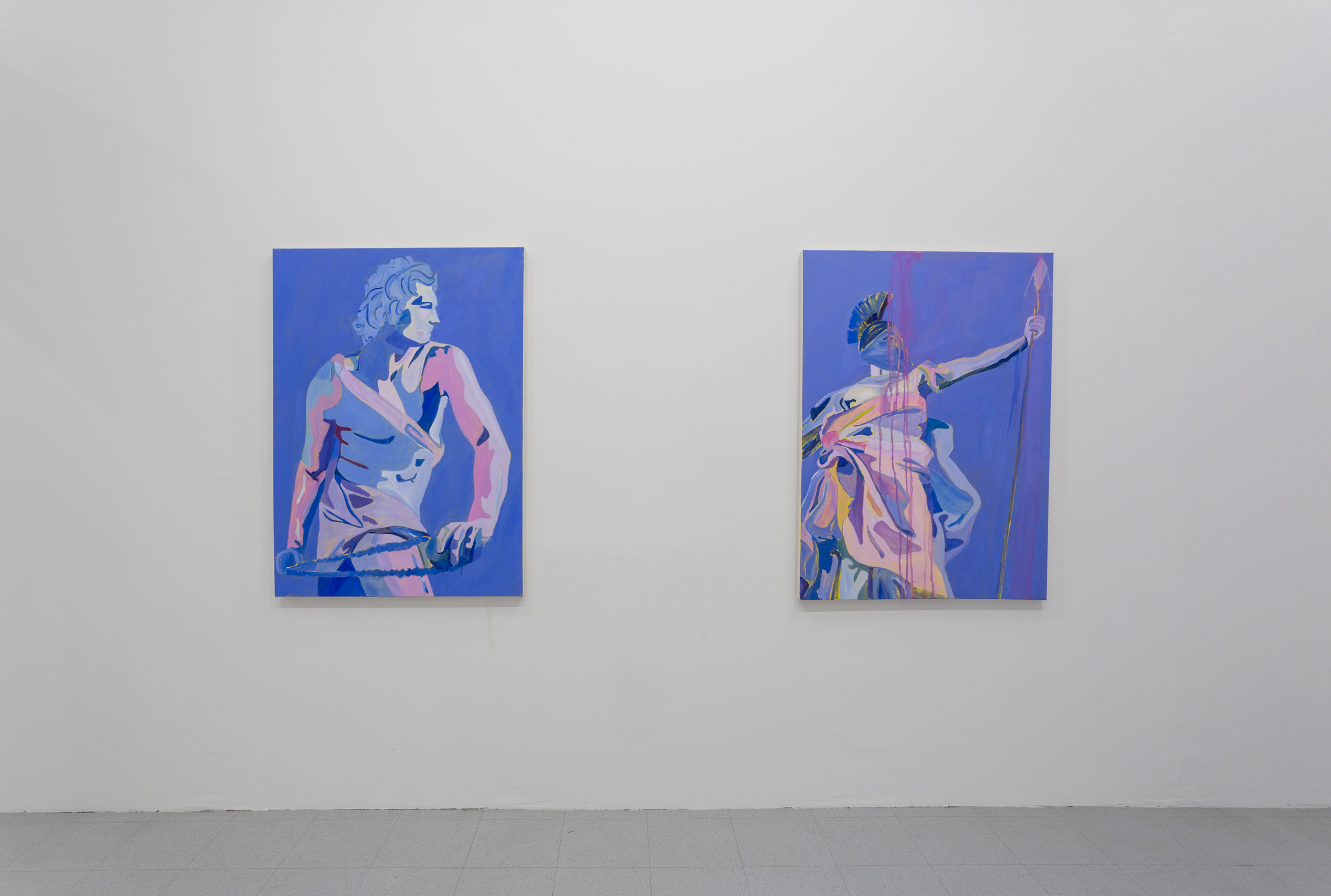
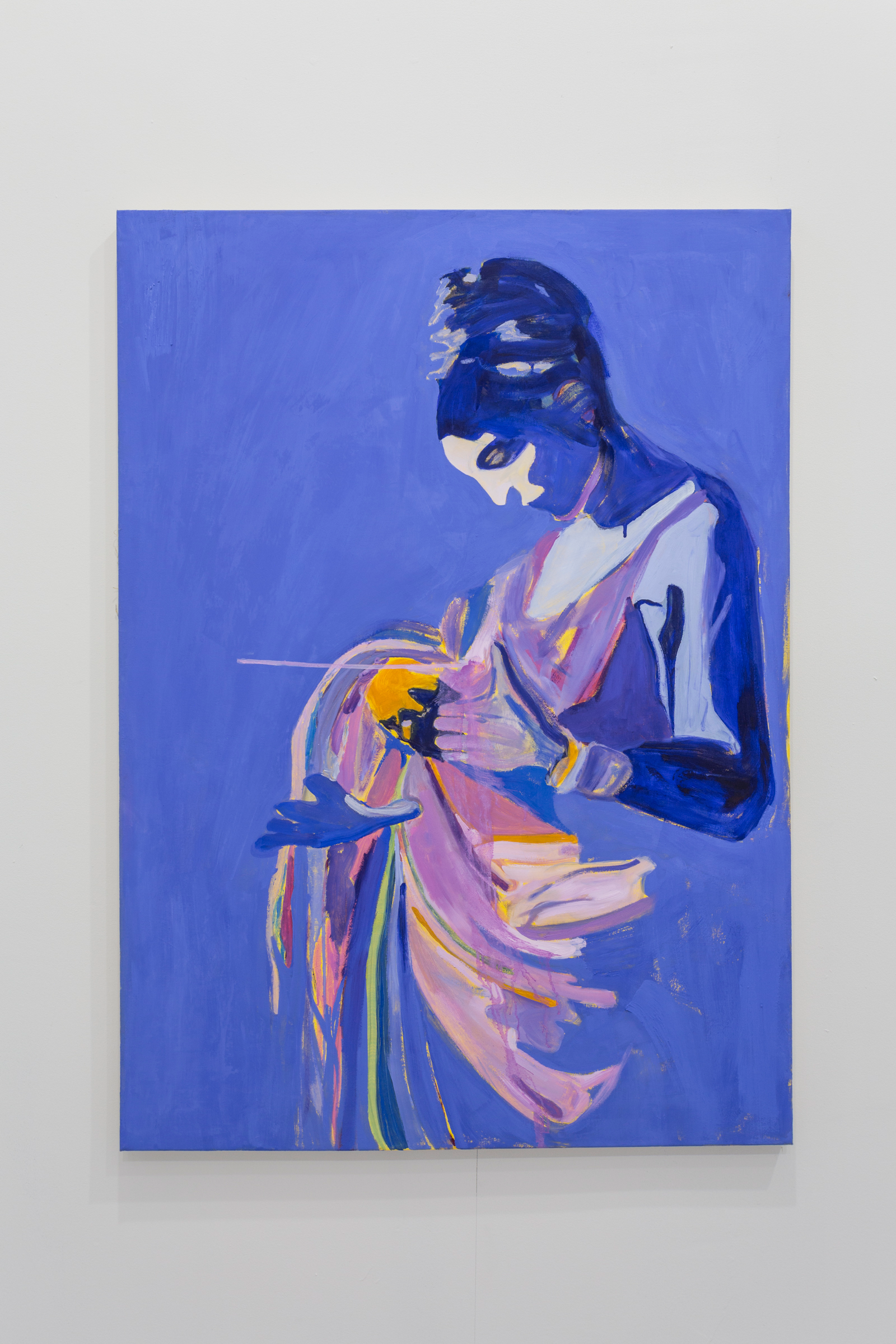
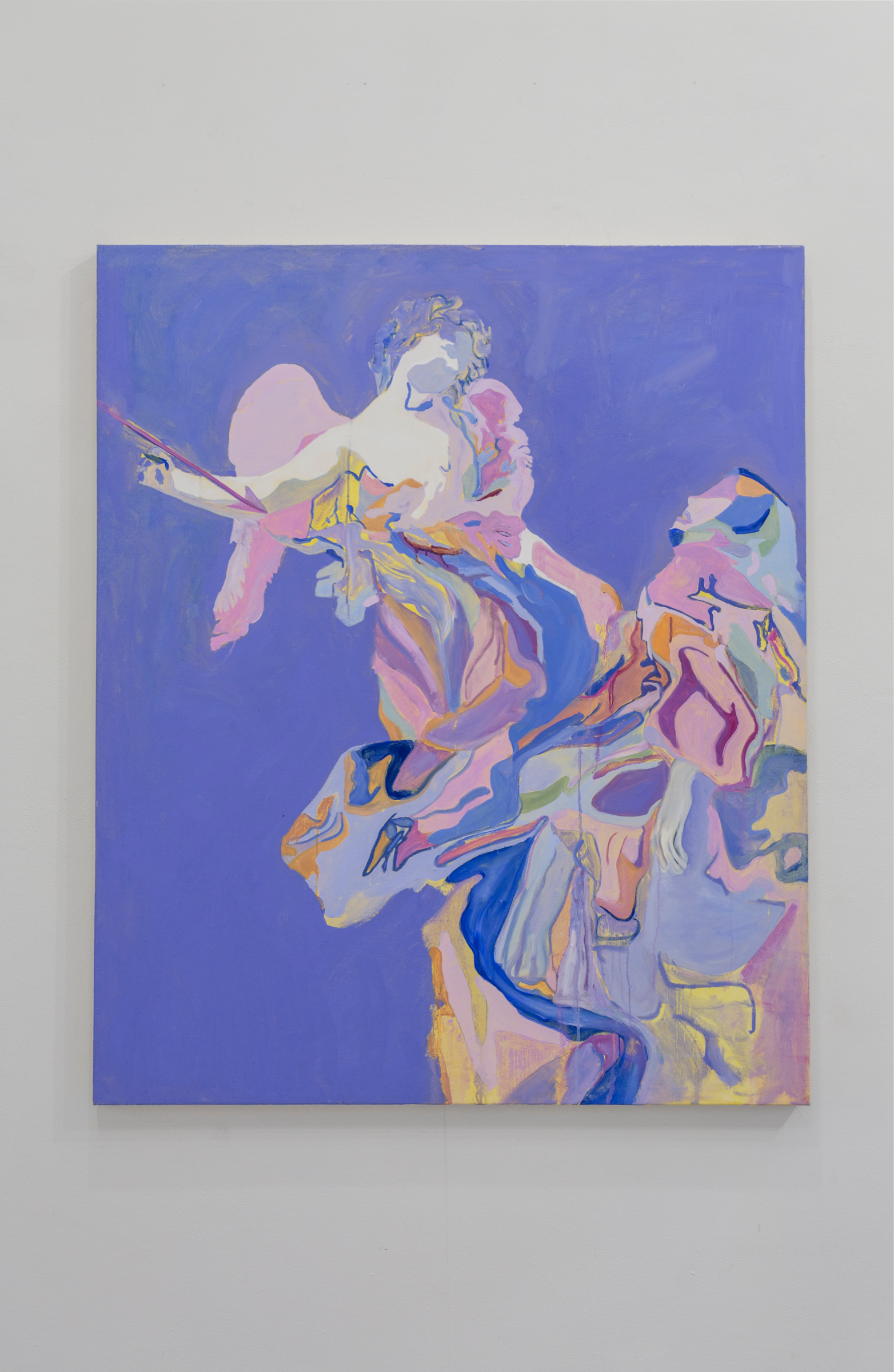
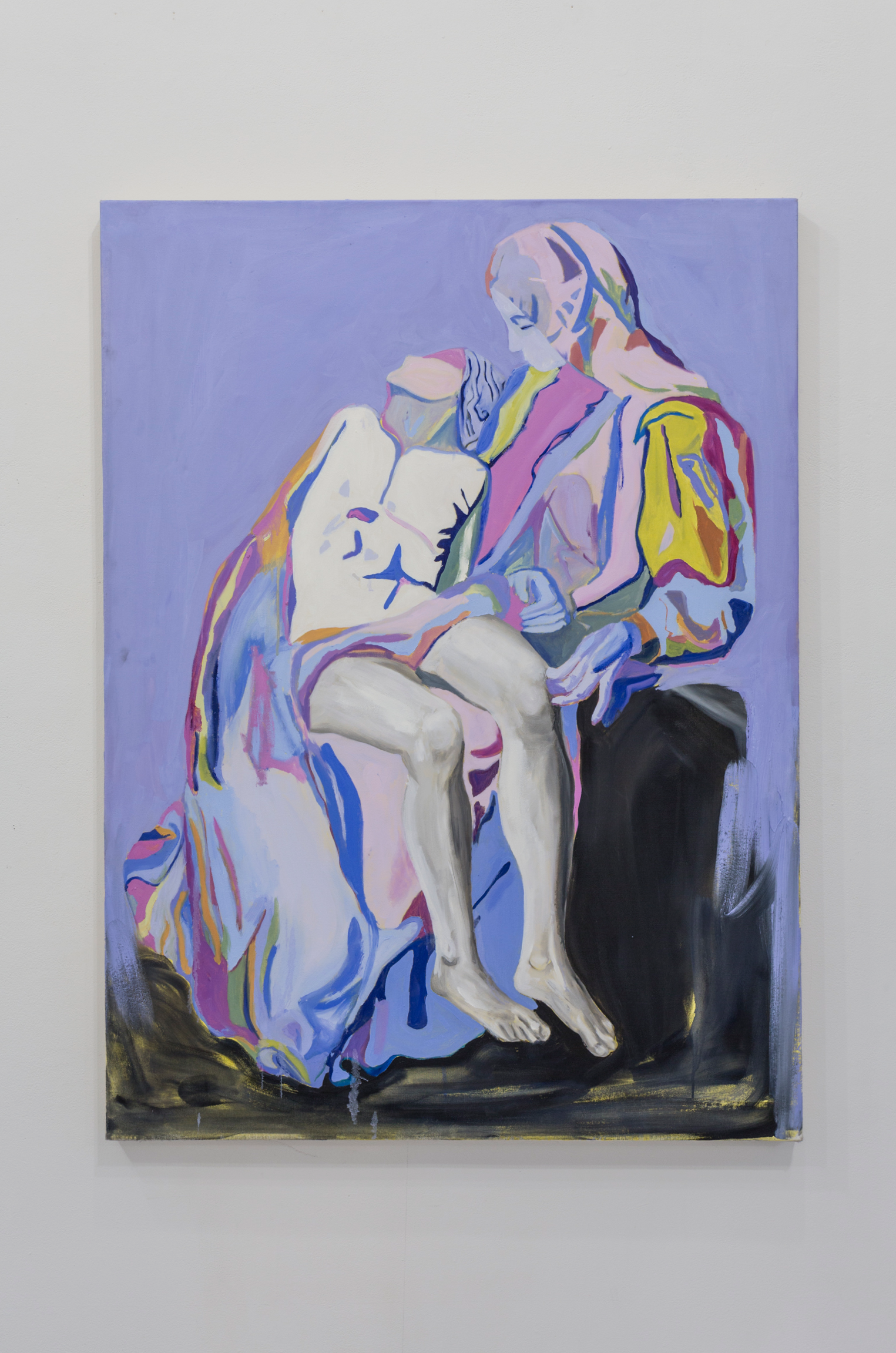
"Epiphania"

“Whether you come to me as a lover or an executioner, I am ready to receive you” – Agustin Gomez-Arcos, The Carnivorous Lamb

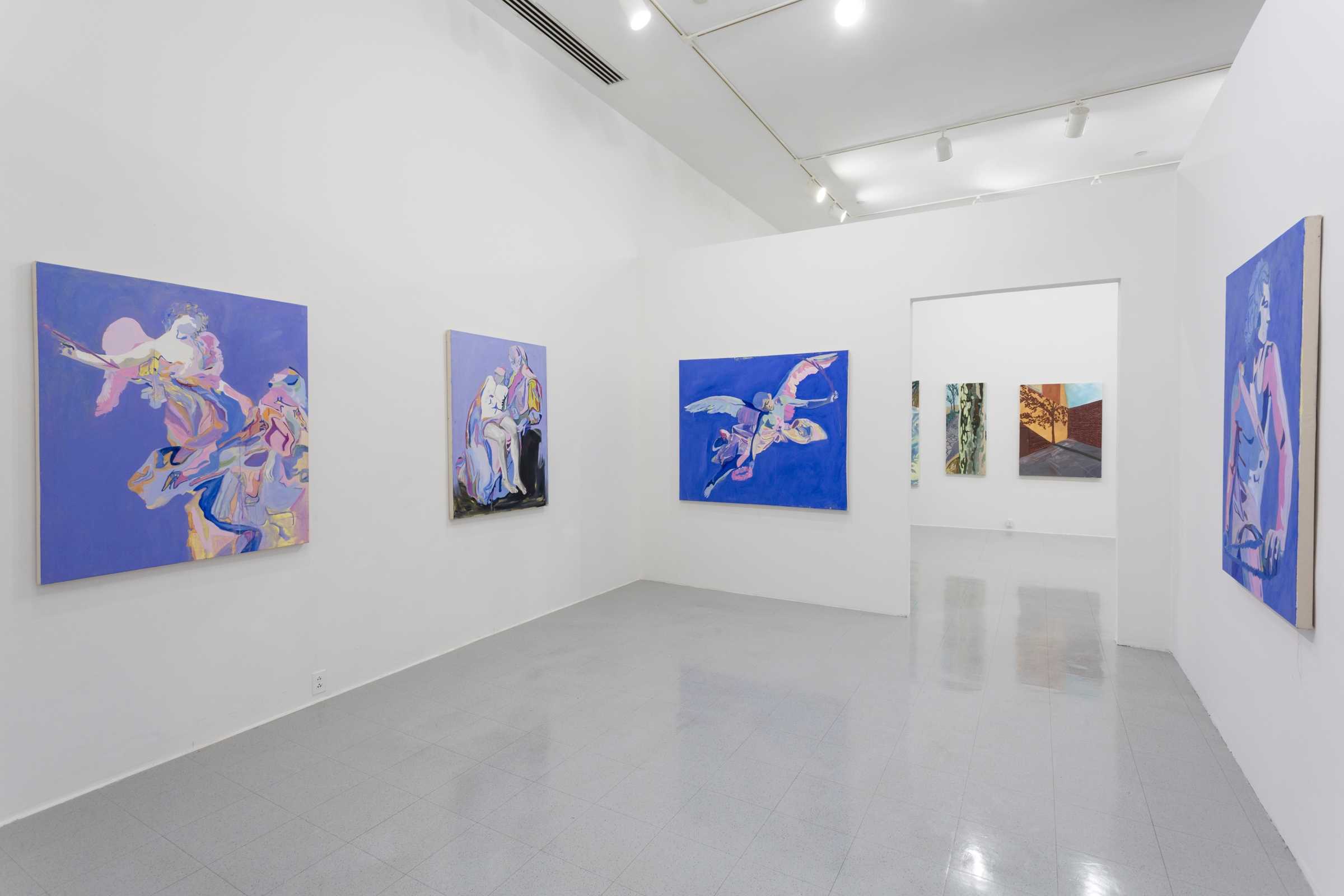
The collection of paintings for “Epiphania” were conceptualized by the notion of epiphany itself. Epiphany, in it’s literal sense, is a manifestation of a divine being, and in its modern sense is a moment of sudden realization or insight.

I’m drawing connections between ancient people and us, and the way renaissance people looked back at ancient people, and now we look back at them. “Epiphania” is about how quickly things change, and the experience of big or small moments of revelation, and how it can feel like being struck by lightning or divine intervention.

Phoenix Lin

Phoenix Lin

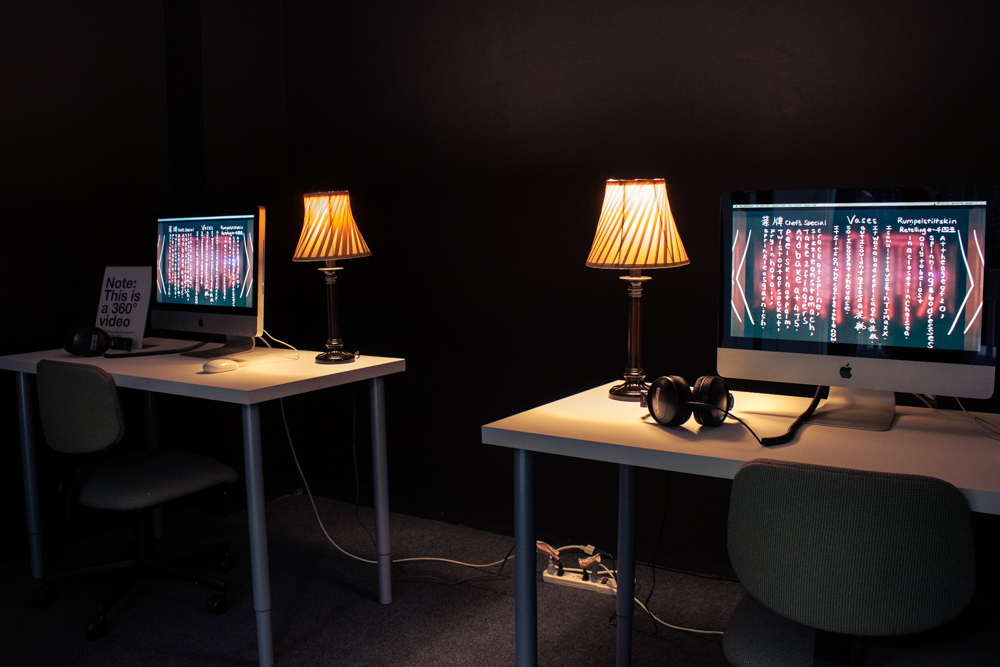
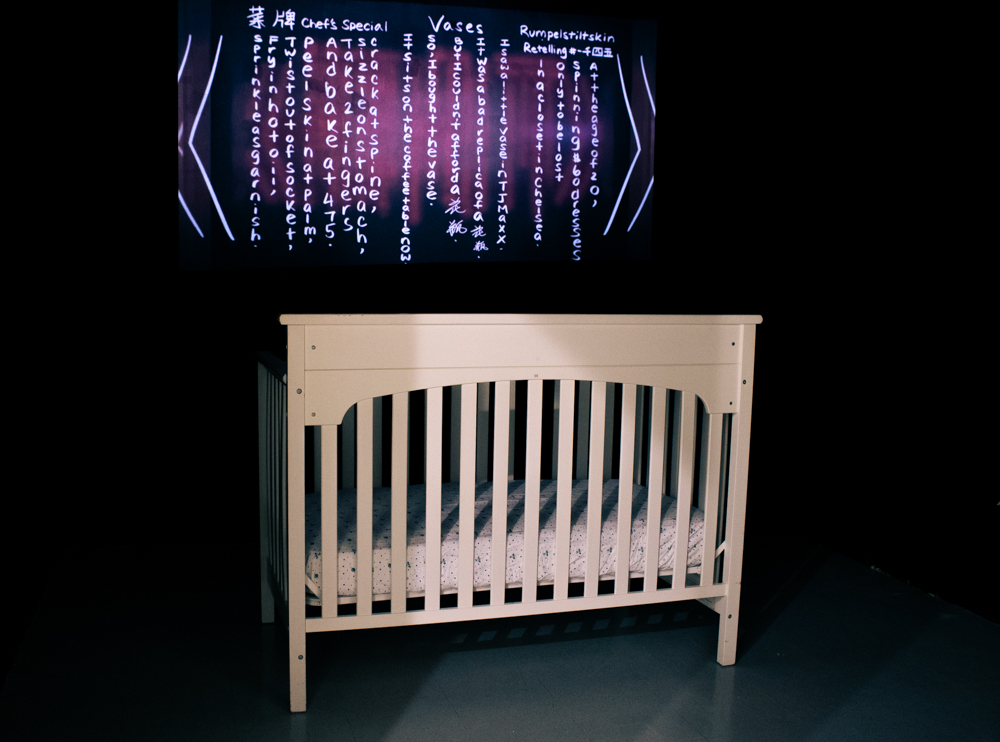
Daughter, It's Time to Wake Up

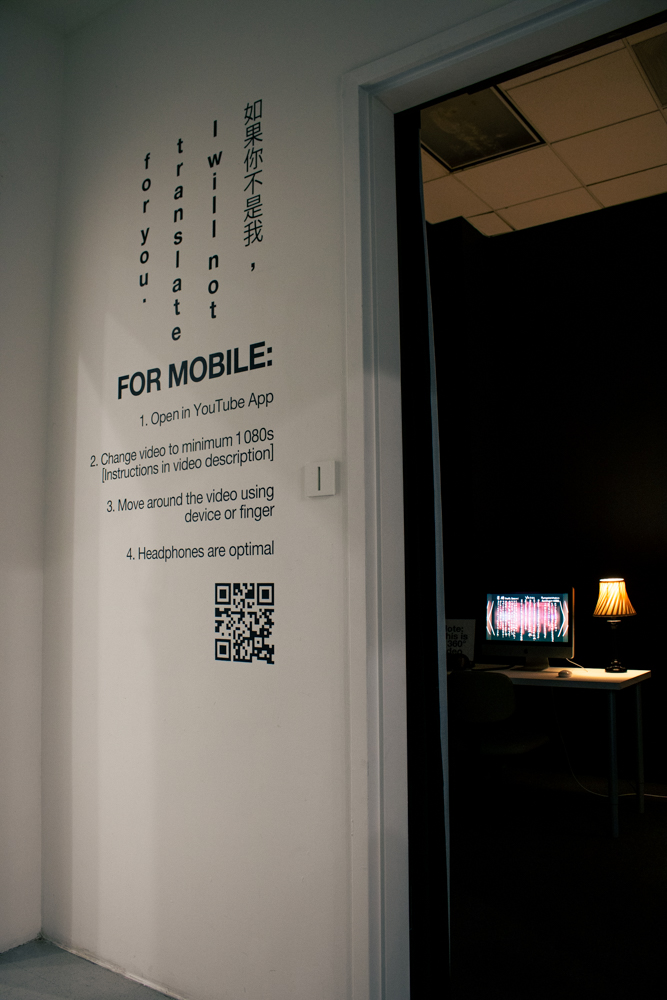
如果你不是我, I will not translate for you.
Video and audio by Phoenix Lin
Music by Chris Travis

To best view the video, change settings to minimum of 1080s.
This is a 360 video. Use mouse to move around the video.
This video contains binaural audio and is intended for headphones. 
 

Grace Harney

Grace Harney

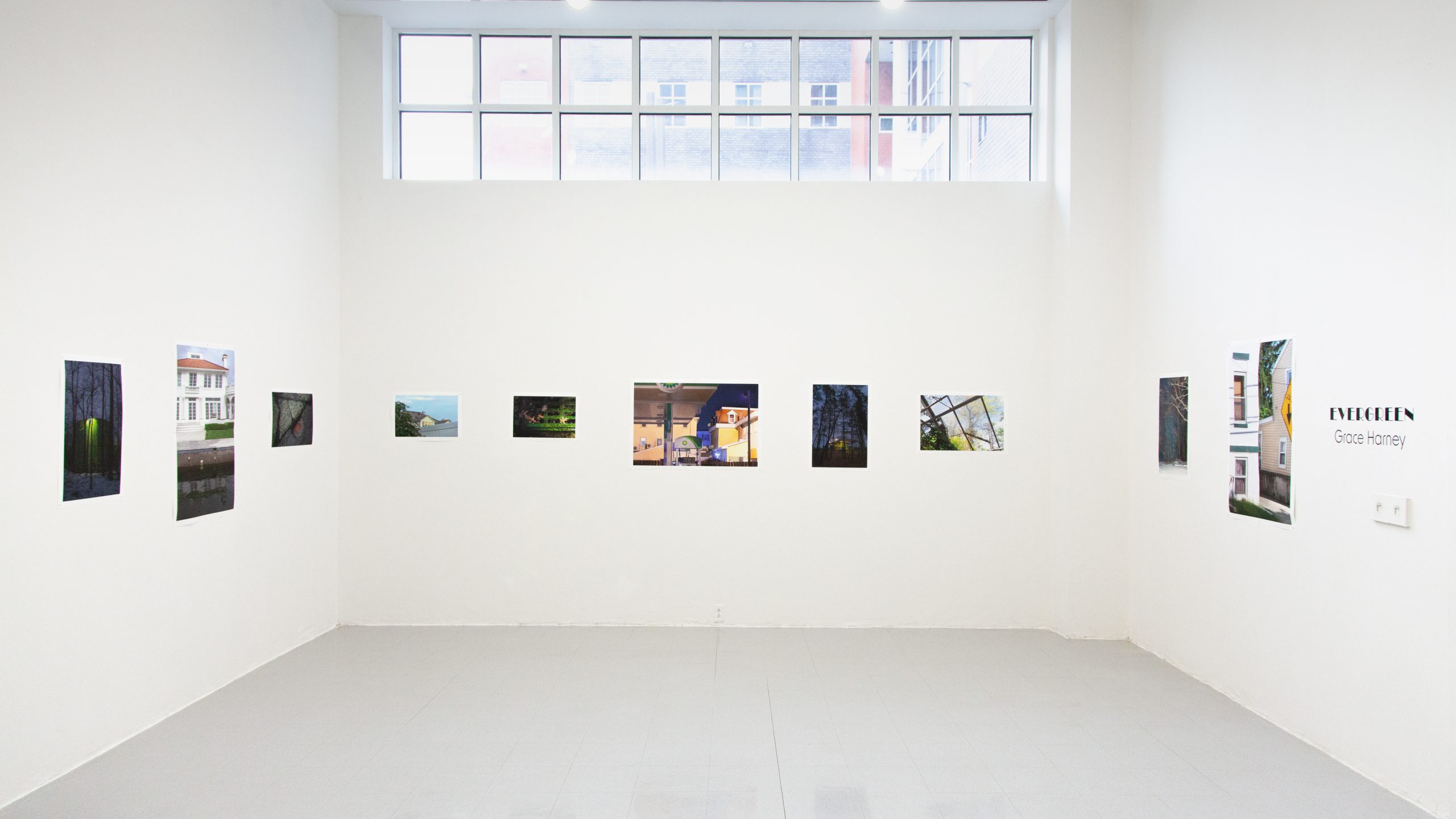
Evergreen

Much of my practice begins with curiosity and interest in my surroundings. It is an exploration with my camera. I do not stage my photographs; I believe that beautiful and impactful images already exist in the world. I enjoy photographing the spaces I stumble upon that amaze me and remind me of just how big the world is. I am inspired by architectural and industrial photography that challenge the limitations of art to describe life. I am drawn to document the spaces around me where I see nature, life, and industry mix. Growing up in a condo complex in a suburban town and moving into an overpopulated college city was uncomfortable at times. It was even more challenging when COVID hit, and that town turned into a ghost town and I was struggling. I felt very alone in this vast concrete world. I started to think a lot about what it means for something to be everlasting and forever green. Evergreen is a word that describes how the leaves will never fall off of the trees suited for a hard winter, pine trees, or evergreen trees. It also refers to having an enduring freshness, success, or popularity. I am drawn to the idea of everlasting happiness at the core of the American dream and wealth as a safety net where you can enjoy life without the fear of poverty. I am also drawn to the ways in which everlasting wealth is hidden, shared, desired, and how we see it in many different forms. It is a currency that manages and operates our society as a whole.
Lia Yunka

Lia Yunka

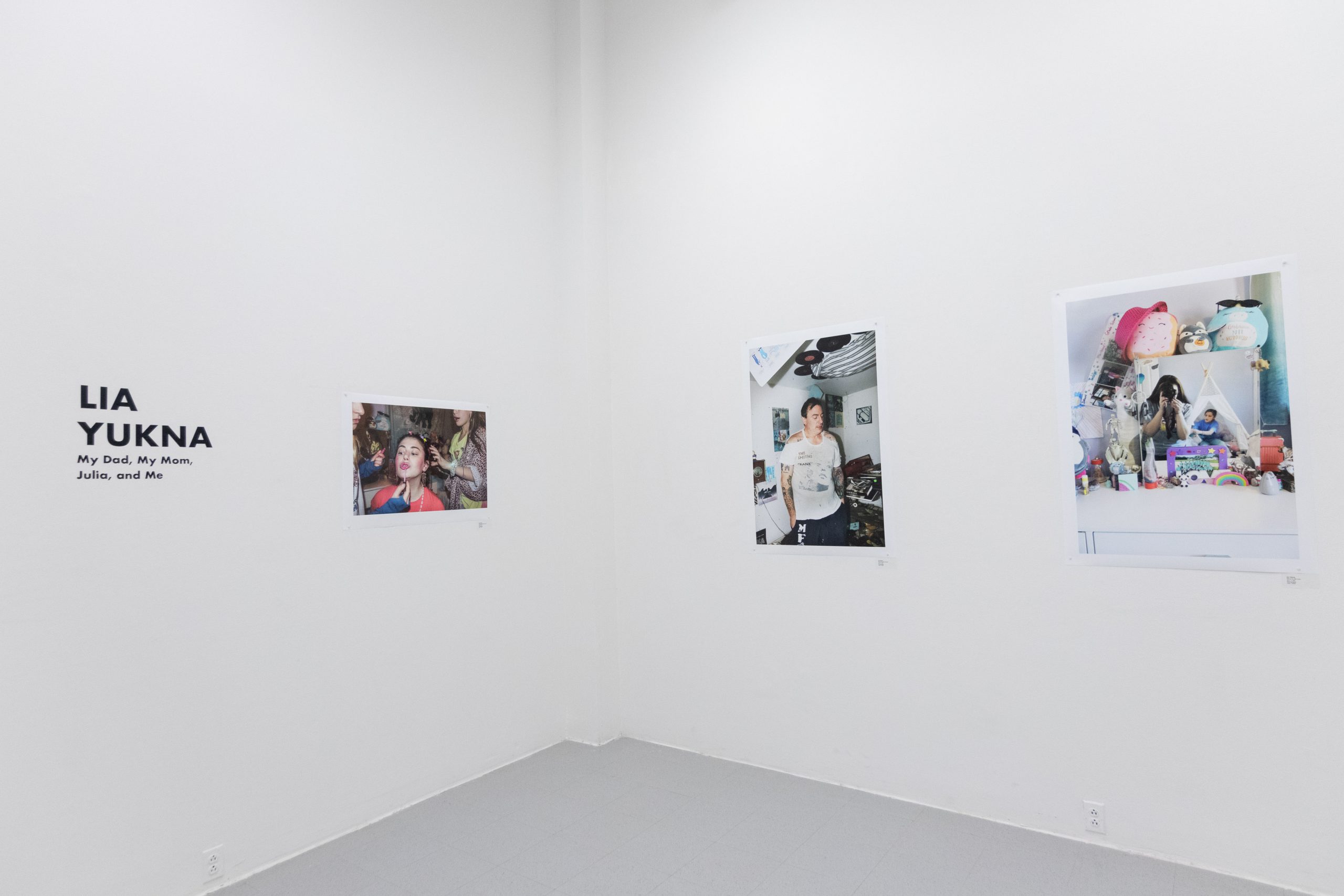
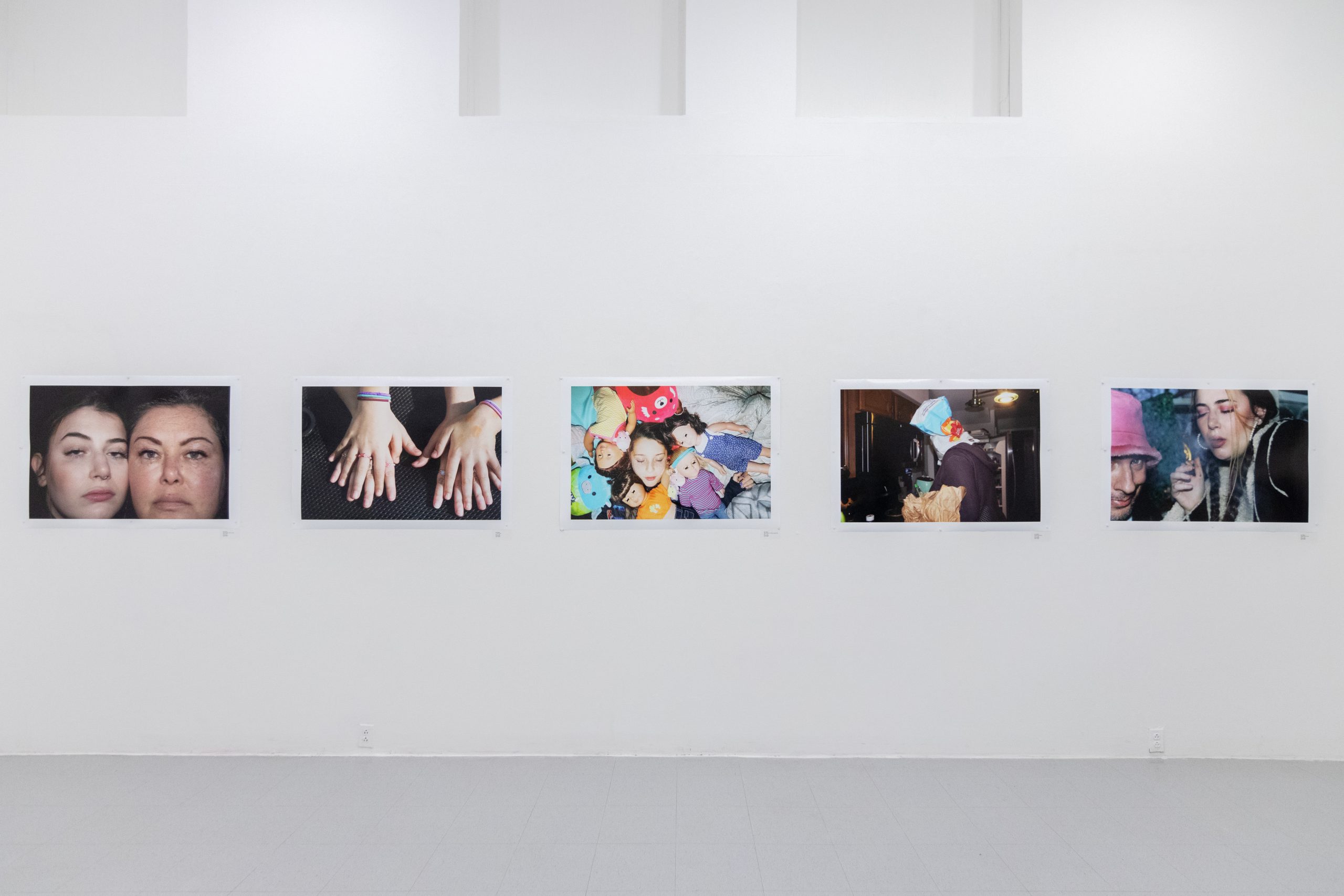
My Mom, My Dad, Julia, and Me

With my art I want to give insight into my life and mind. With photography it allows me to capture the world I see while adding in my own personal story. I am motivated by my family relationships and trying to reimagine them for the viewer.

Previously I saw photography as a means of creating something beautiful. However now I see it differently, photography is now a tool for me to create an image that only I have the ability to take. Looking at my photos I can start to make sense of my relationships with some of the people closest to me.

David Yang

David Yang

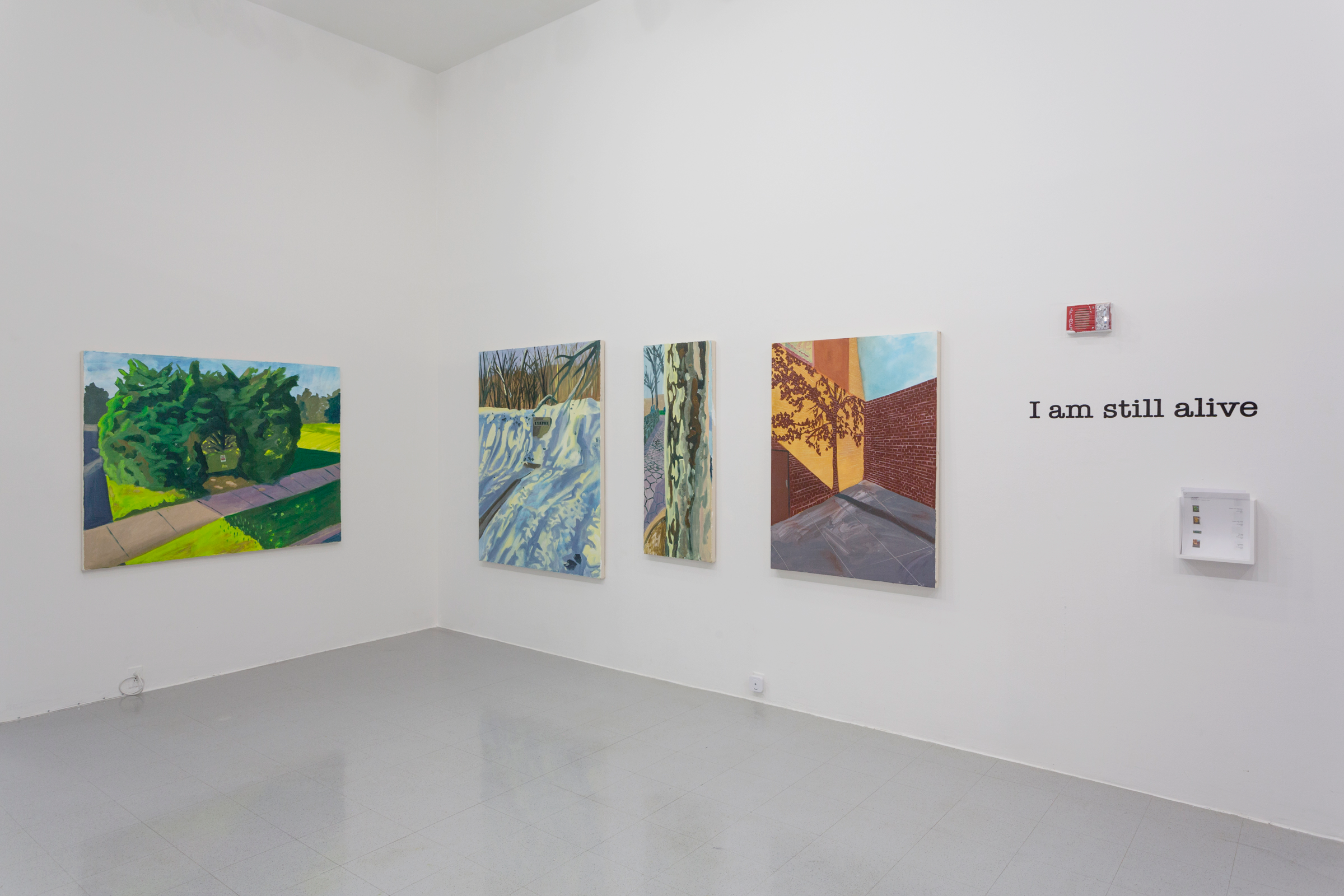
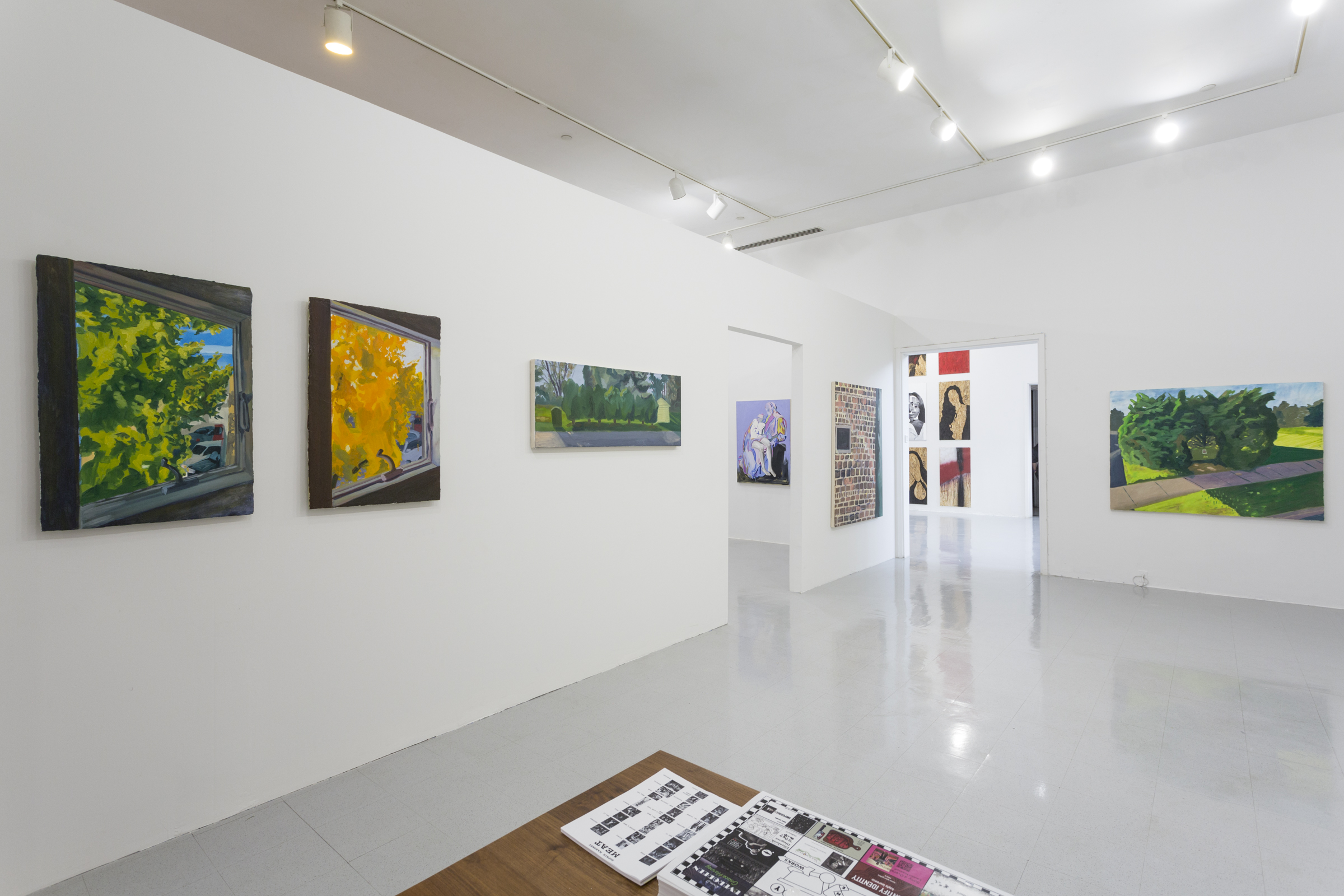
I am still alive

I am an observational painter, primarily working in oil paint and gouache. I feel as though observational painting holds a certain quietness, or a monumentality that leaves nowhere to hide. In a painting made from life, there’s only the viewer, the canvas, and the scene. This simple and blunt approach to painting bleeds into all parts of my process; looking at the works of Lois Dodd, Alex Katz, David Hockney, and Josephine Halvorson, I like to tackle paintings with a formalist approach, and feel as though the handling of the paint, color, and light interactions in my work come through as the main subjects. I rarely use materials other than paint, medium, and brushes in the creation of my work. The work is meant to be straightforward and accessible, highlighting the quiet sincerity behind observational painting.

Kayla Lourenco

Kayla Lourenco

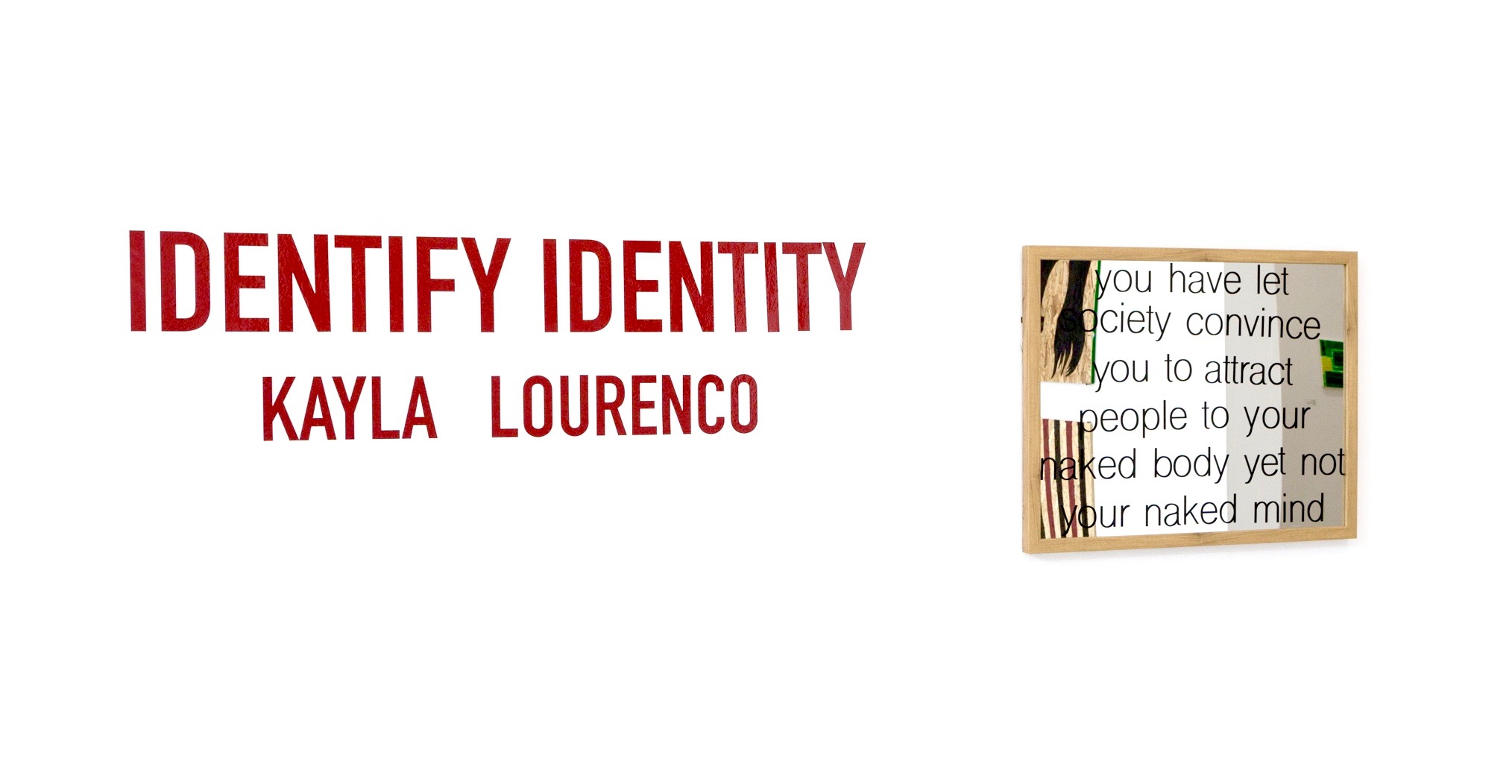
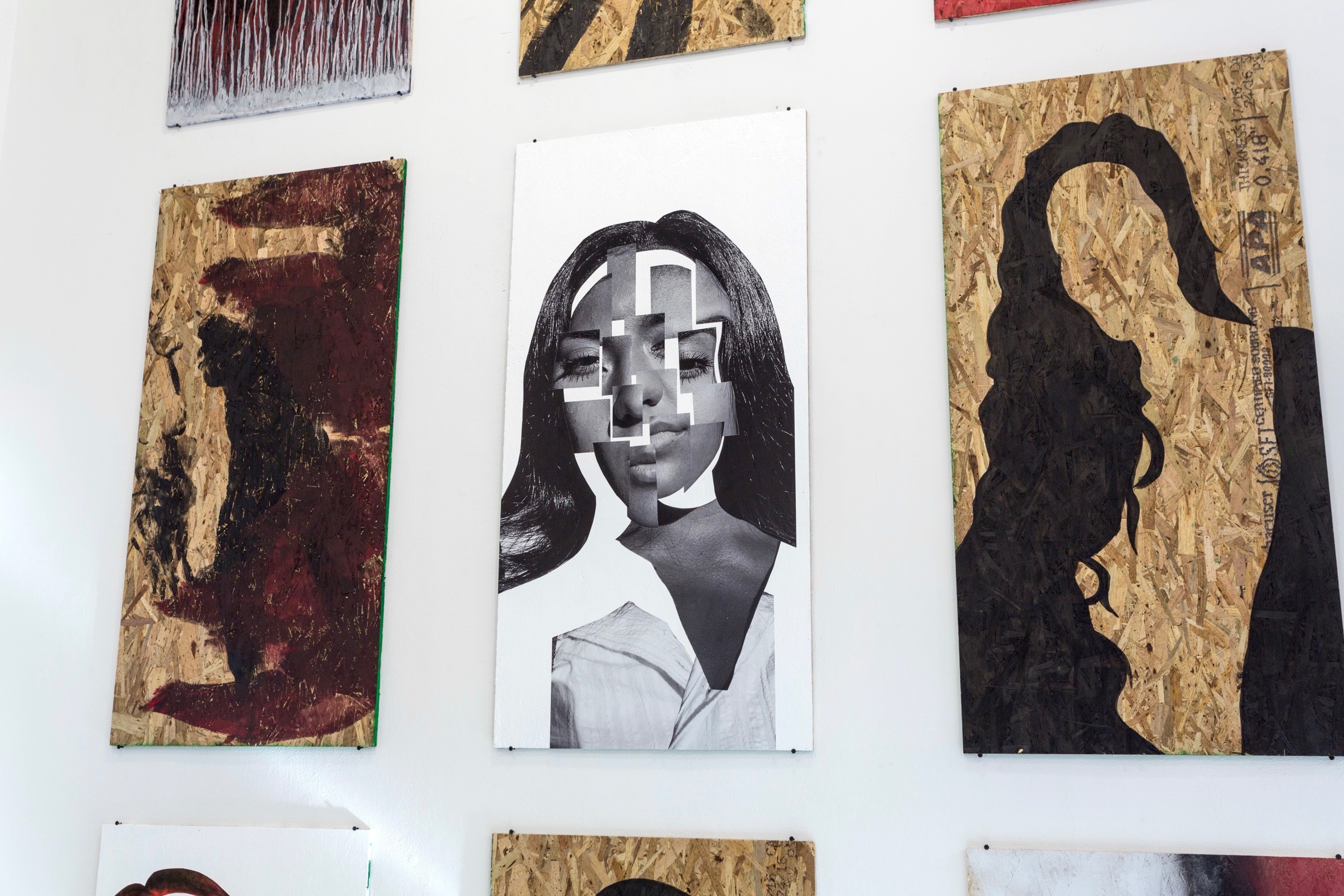
Identify Identity

Growing and developing as a young woman, I have constantly looked to other females as my beautiful subjects and works of art themselves, but never in the mirror. I rarely saw myself as a possible subject as an artist. After years of projecting my views of others onto a piece of paper or through a lens I challenged myself to create my first successful self portrait. Through the color red, please do not perceive this as anger towards the male gaze (however I am always angry at the male gaze) but as anger towards how long it took for me to reject the beauty standard and accept myself. This collection of eighteen panels is the embodiment of my personal struggle with my identity and self worth.